
SoapLock
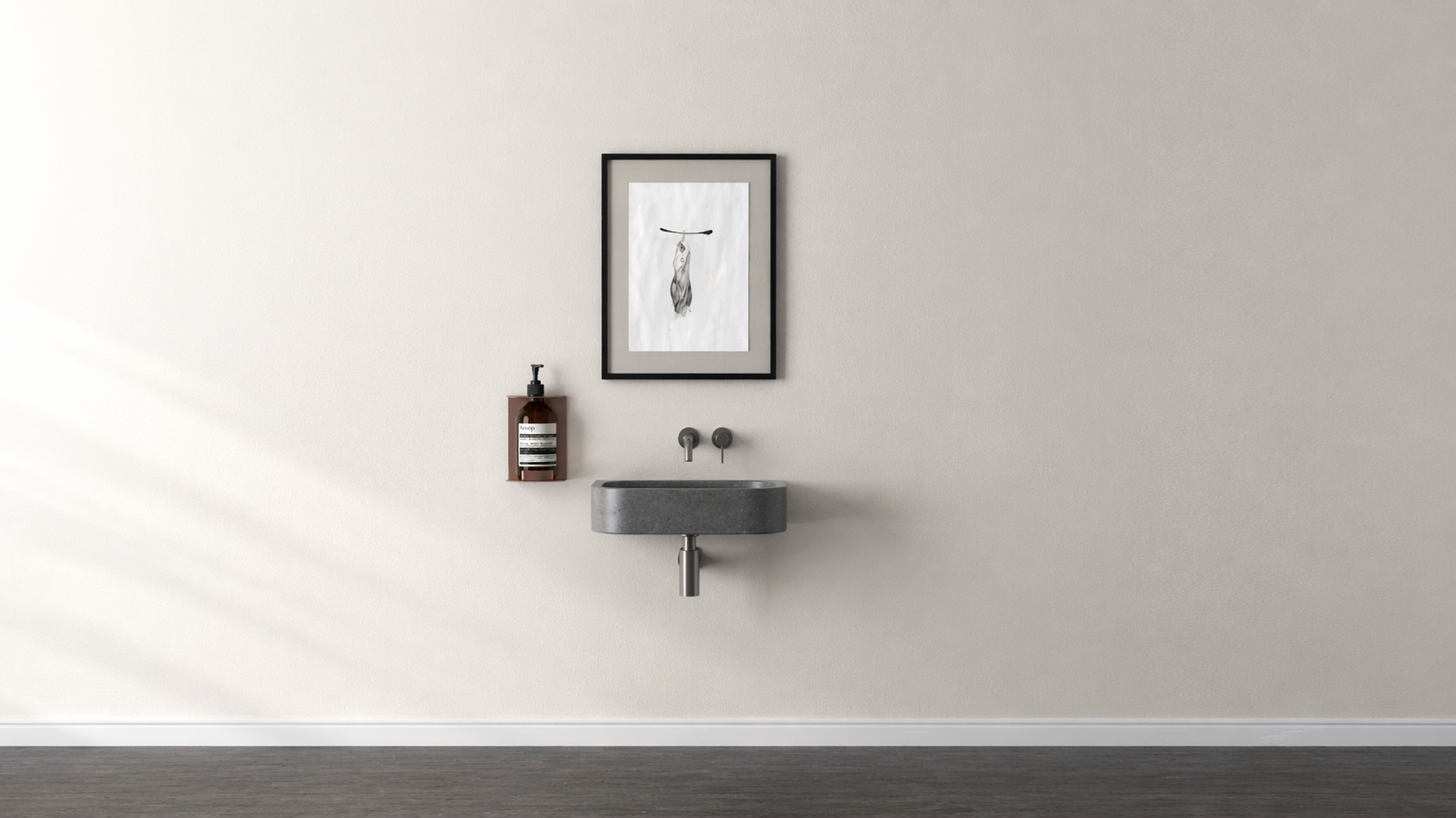
Theft-proof by design. Stunning by choice. SoapLock keeps your dispensers exactly where they belong and makes sure everyone notices.
Locked in place
〰️
Never out of space
〰️
Locked in place 〰️ Never out of space 〰️
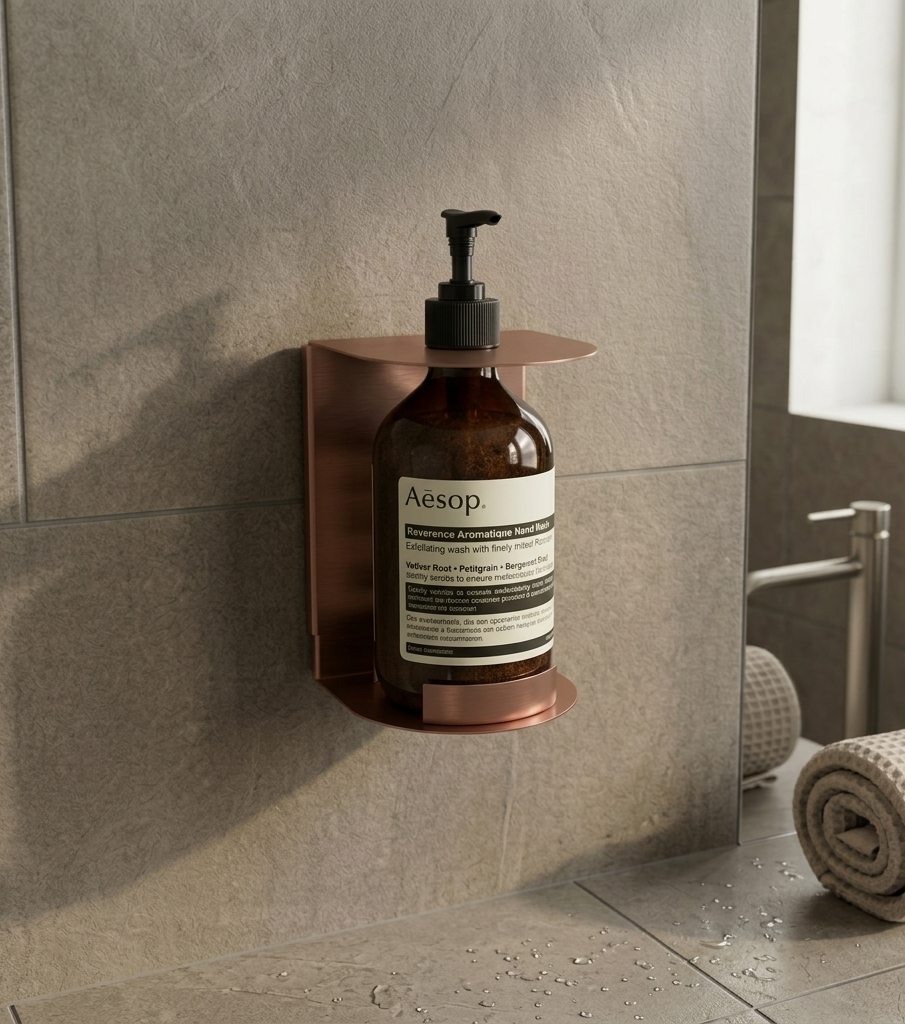
SoapLock is a wall-mounted soap holder designed to address a simple but persistent problem, the theft of soap dispensers in hotels, restaurants, fitness centres, and public spaces. The challenge was to design a solution that is both secure and adaptable, capable of accommodating a wide variety of soap bottle shapes and sizes without sacrificing aesthetics.
The design process moved through two phases of concept development, exploring different locking and holding mechanisms before arriving at a clean, minimal form that uses a magnetic locking system to secure the bottle discreetly in place. The result is a holder that is easy for staff to set up, swap, and maintain, while remaining tamper-resistant for everyday users.
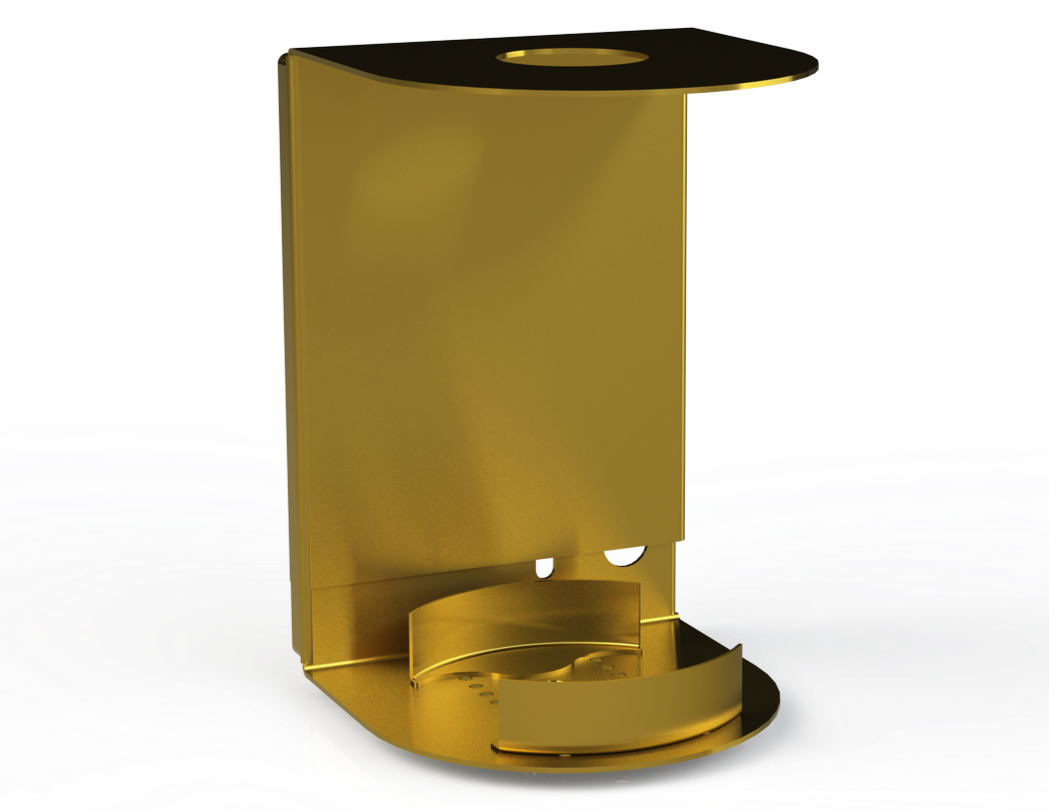
Developed through technical drawings, stress analysis, and iterative physical prototyping, SoapLock balances functional engineering with considered aesthetics — finished in a warm brushed copper that complements premium soap brands and upscale interior environments. The adjustable mounting system ensures compatibility across a broad range of standard and non-standard bottle sizes, making it a practical and versatile solution for commercial and hospitality settings.

The problem SoapLock Solves
Soap dispenser theft
Hotels & gyms replace dispensers constantly — costing time, money, and brand consistency
One-size-fits-none
Existing holders only fit proprietary bottles, locking buyers into expensive refills
Maintenance friction
Staff waste time with fiddly unlocking mechanisms or tools during changeover
Aesthetics vs function
Secure dispensers are ugly; premium-looking ones aren't tamper-resistant
Idea Generation
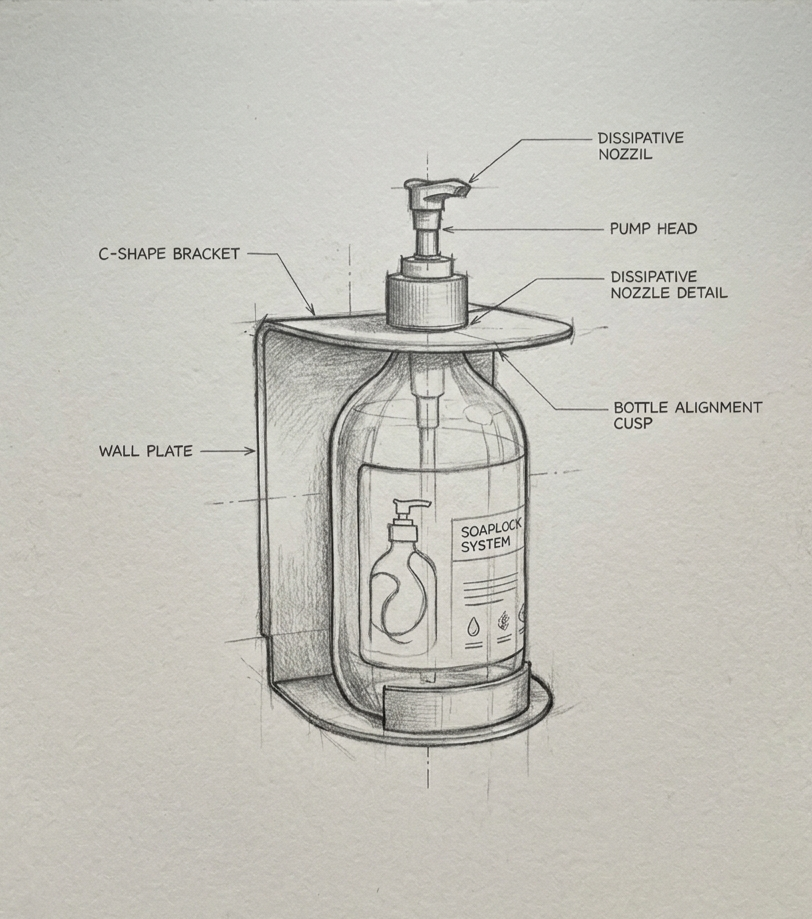
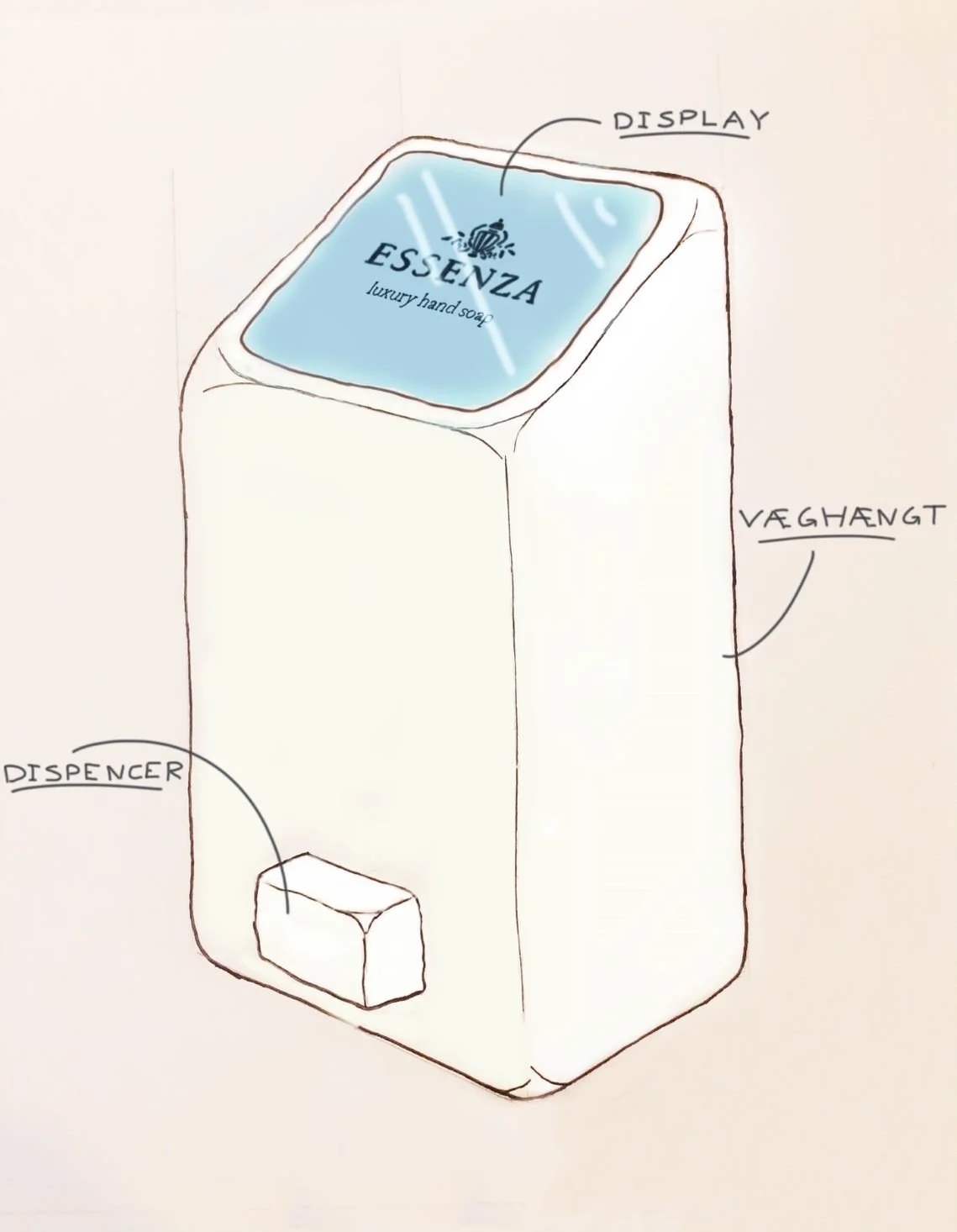
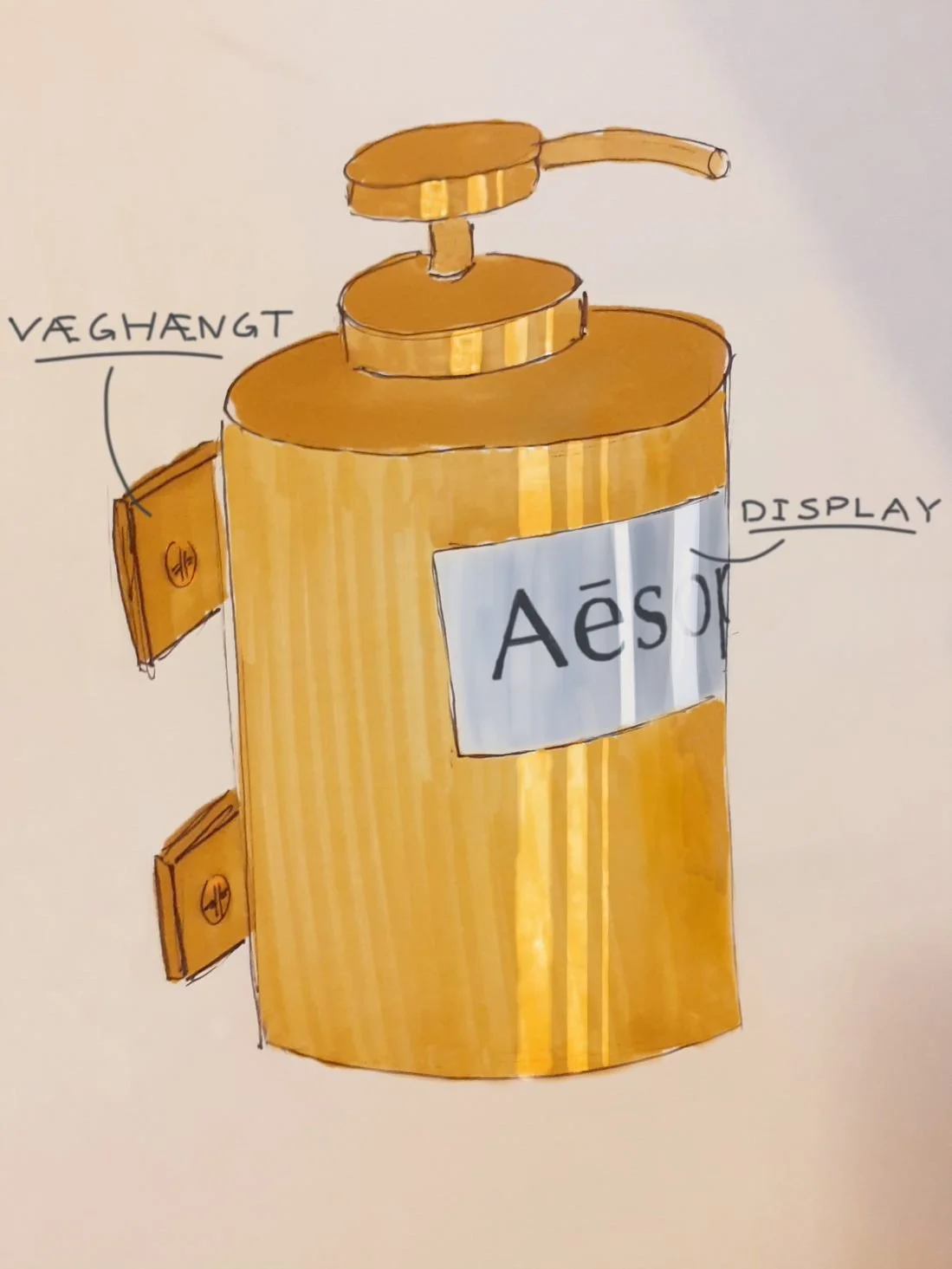
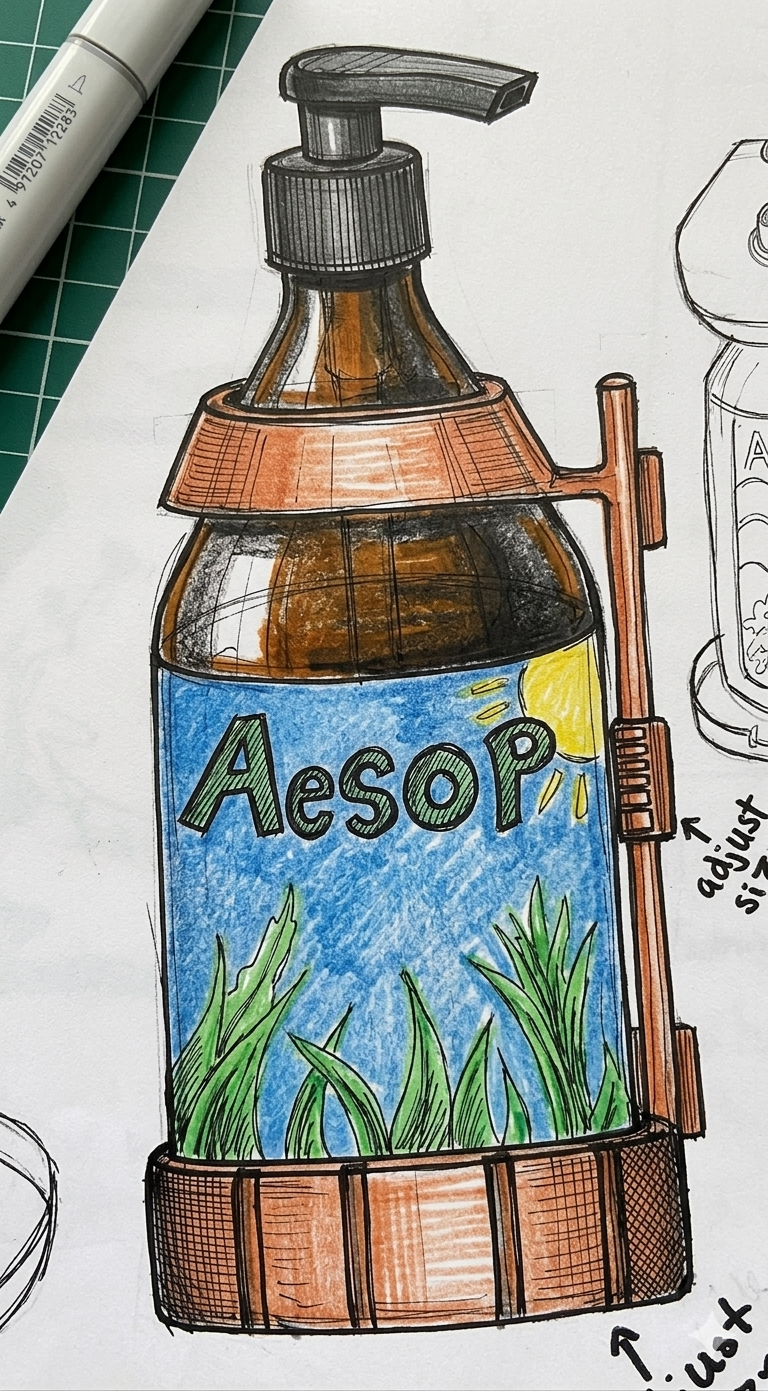
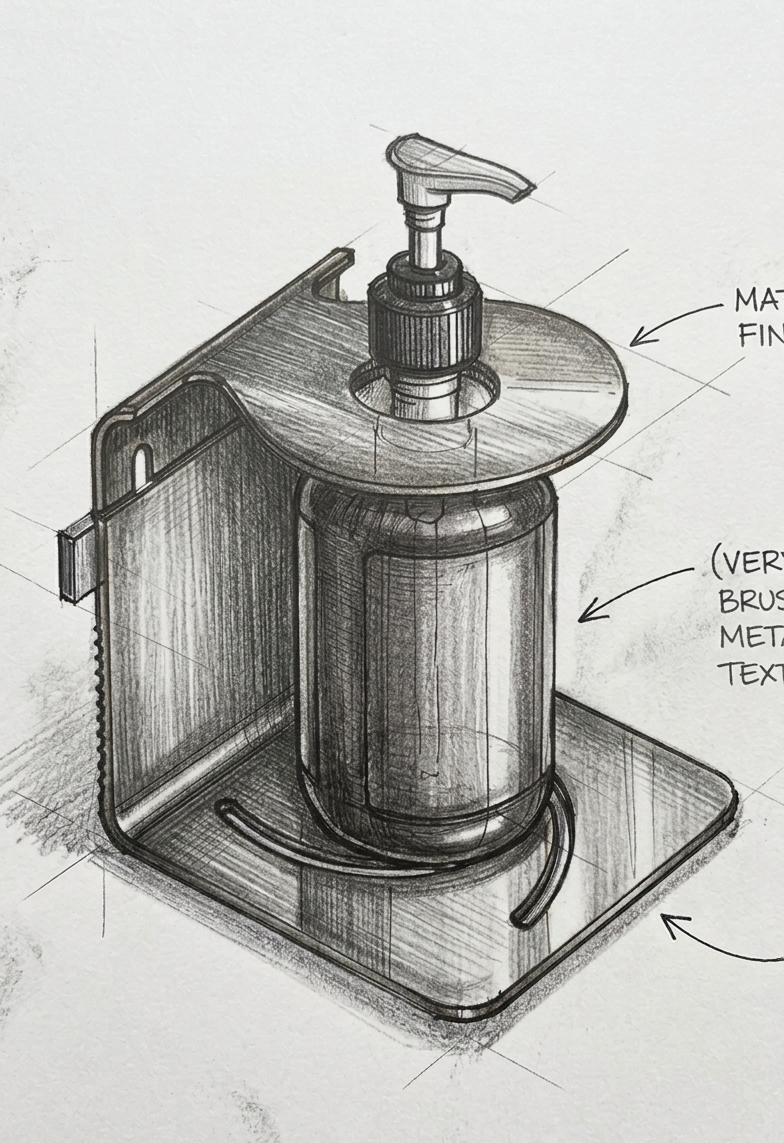
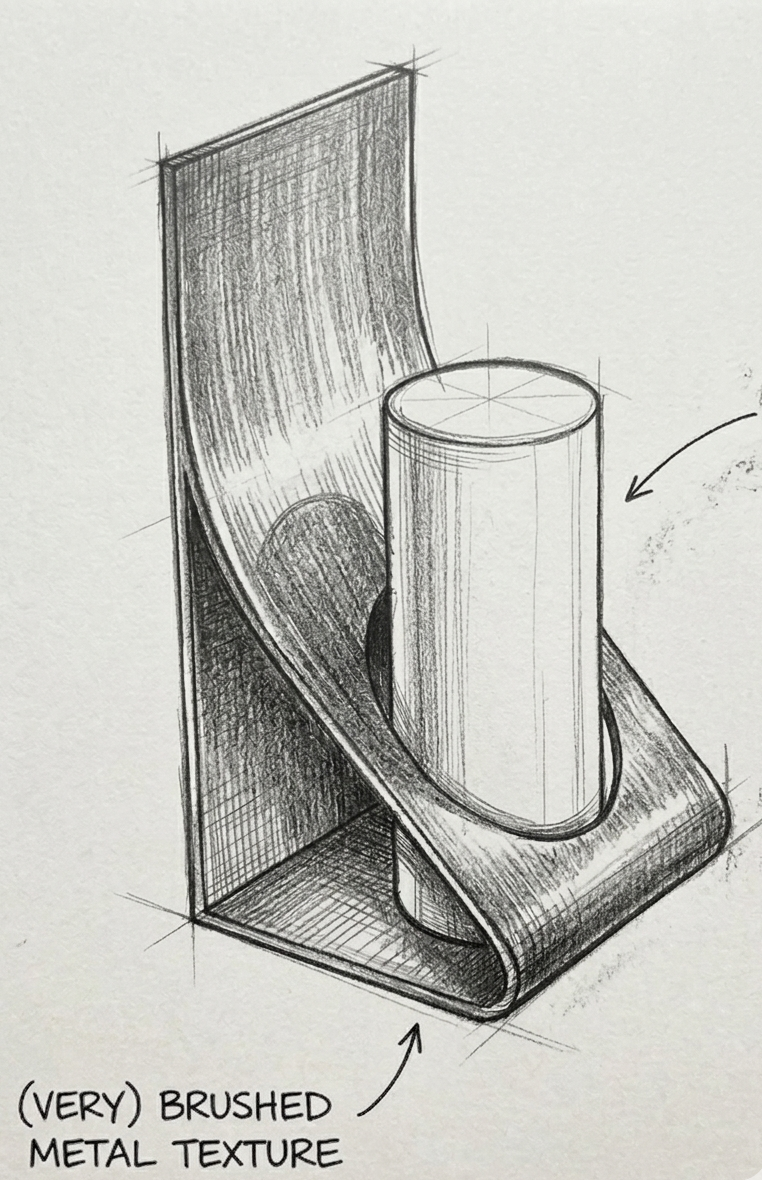
The ideation phase began with a broad exploration of how a soap holder could be made both secure and adaptable, using hand sketches to rapidly test different holding and locking concepts across varying bottle geometries. Two distinct concept phases were developed, the first establishing the core functional principles around anti-theft mechanisms and mounting approaches, and the second refining the most promising directions into resolved forms. This sketching process allowed for quick iteration and honest evaluation of each concept before committing to CAD development, ensuring the final design direction was grounded in both functional logic and aesthetic intention.
Market Opportunity
Gym & fitness centres (EU)
~ 63K
Est. annual replacement cost (hotel sector)
€400M+
Hotels Worldwide
700K+
Avg dispensers per hotel
3 – 8 /room
Prototyping
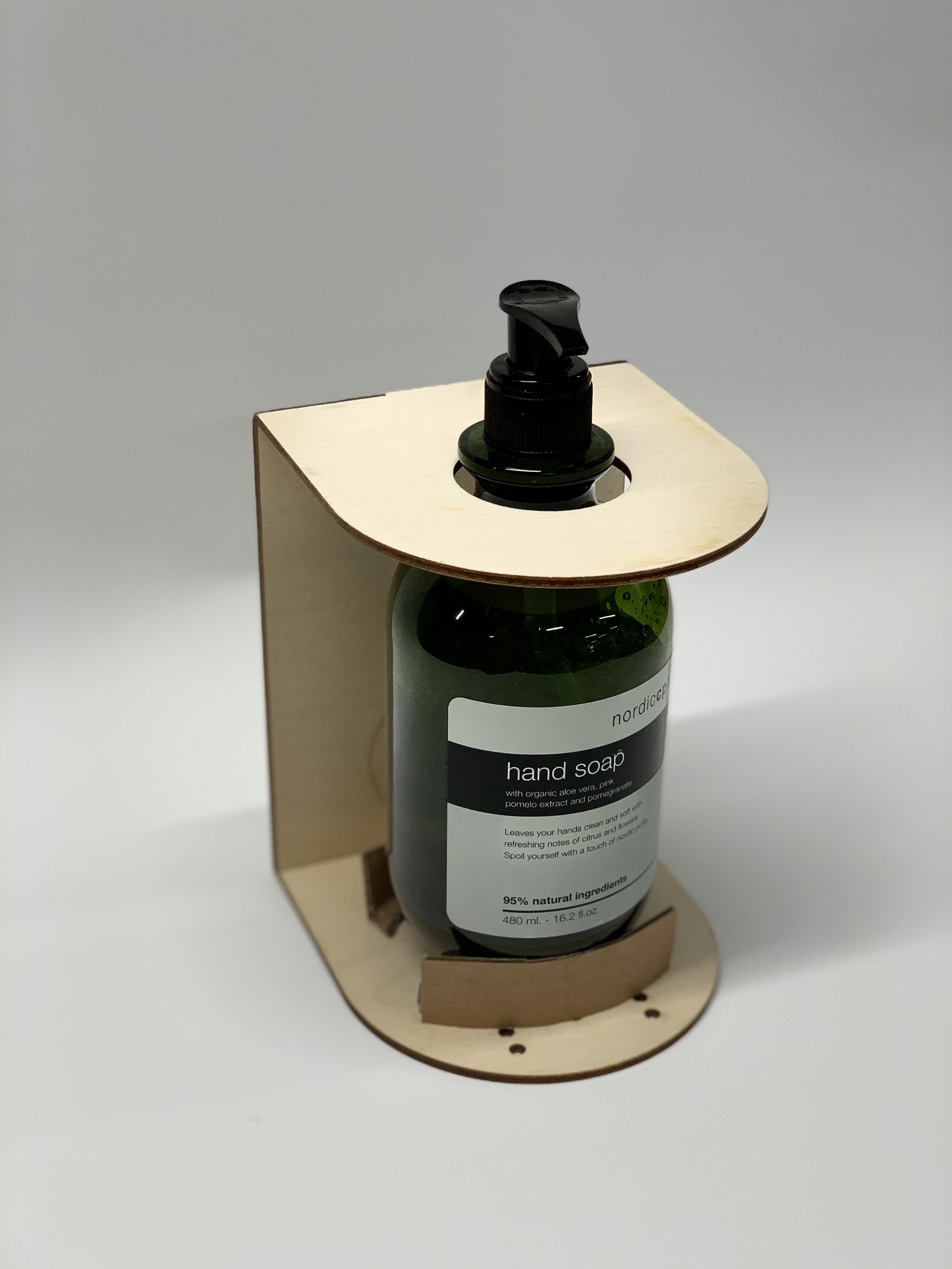
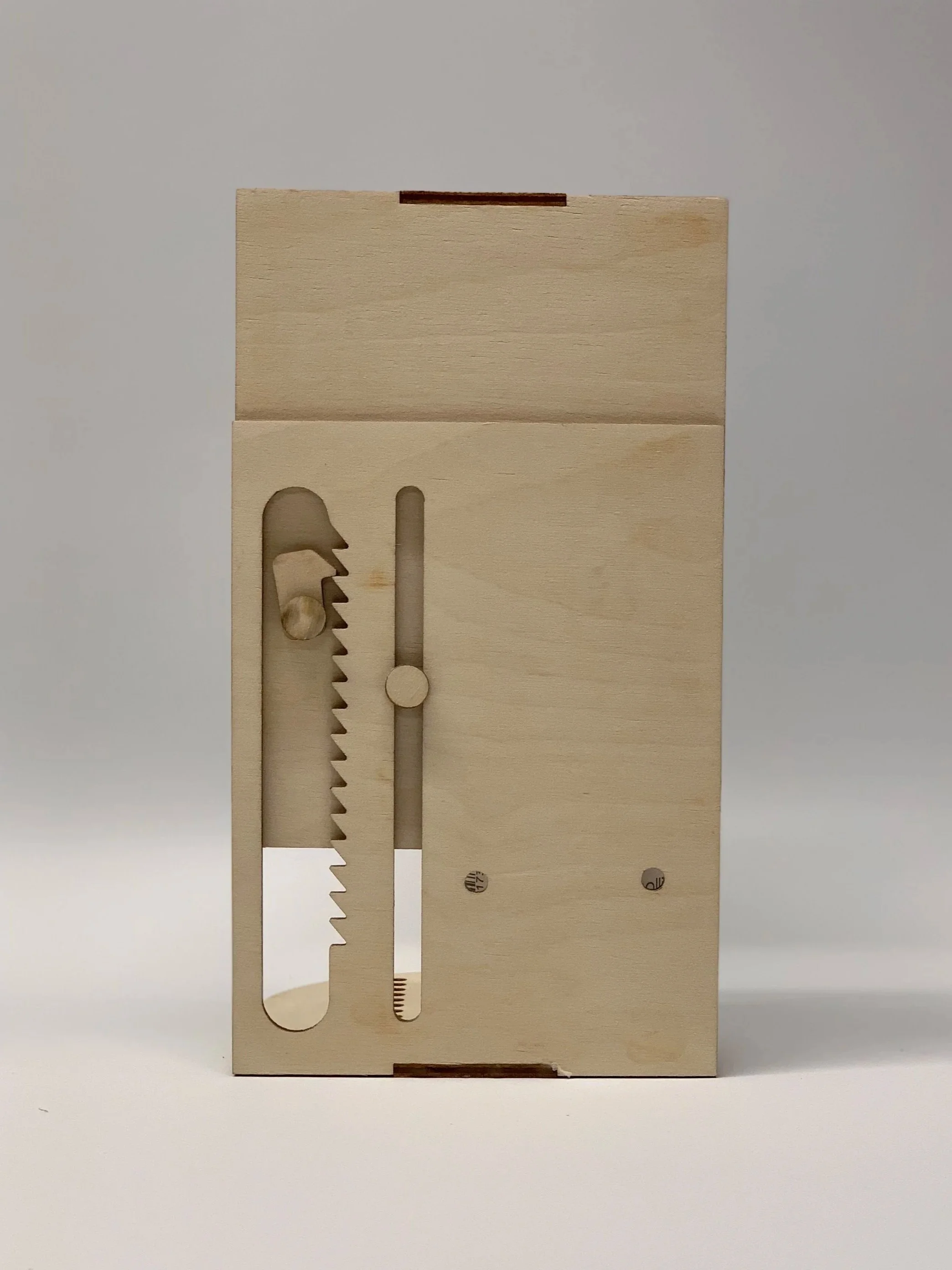
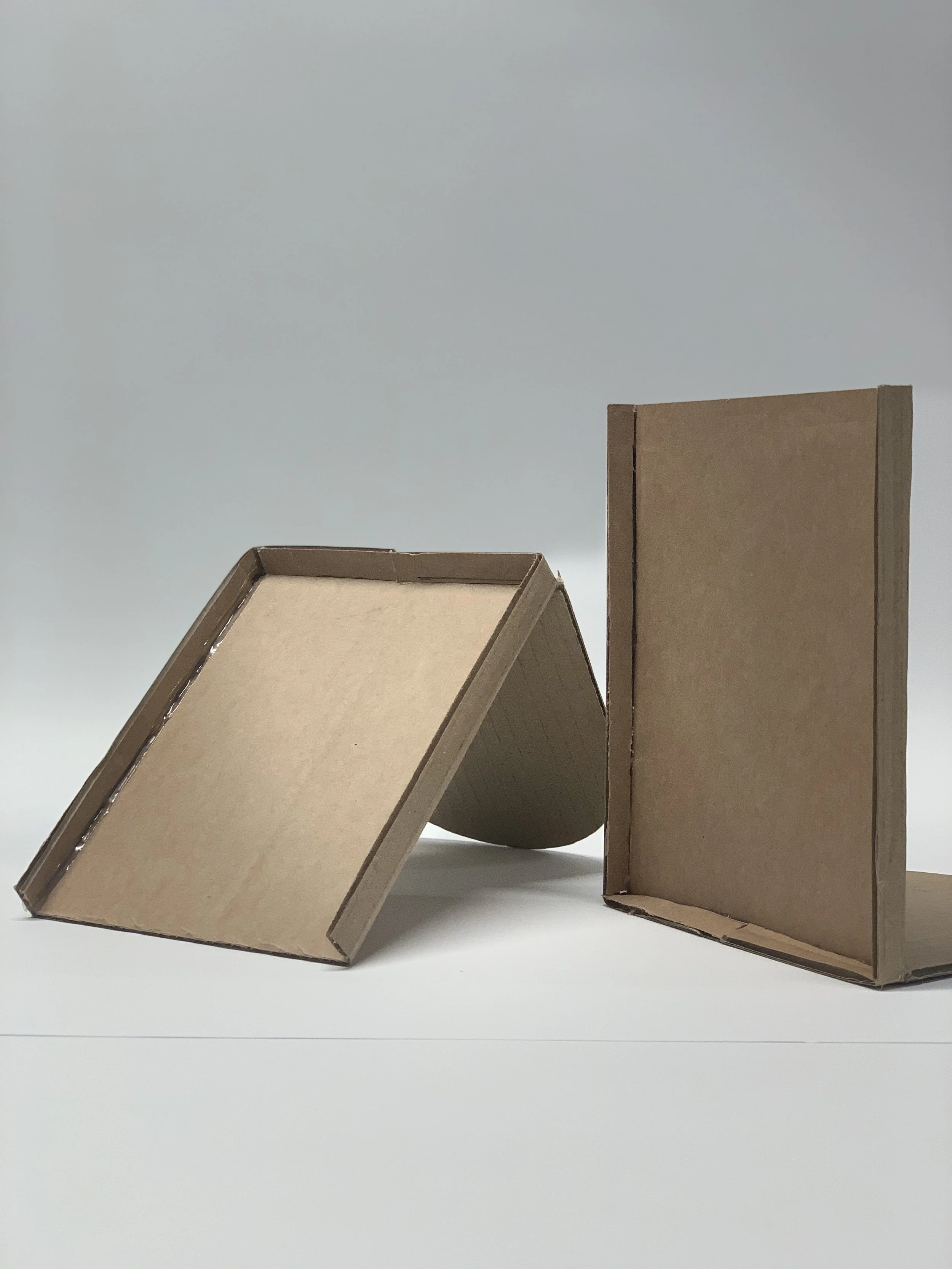
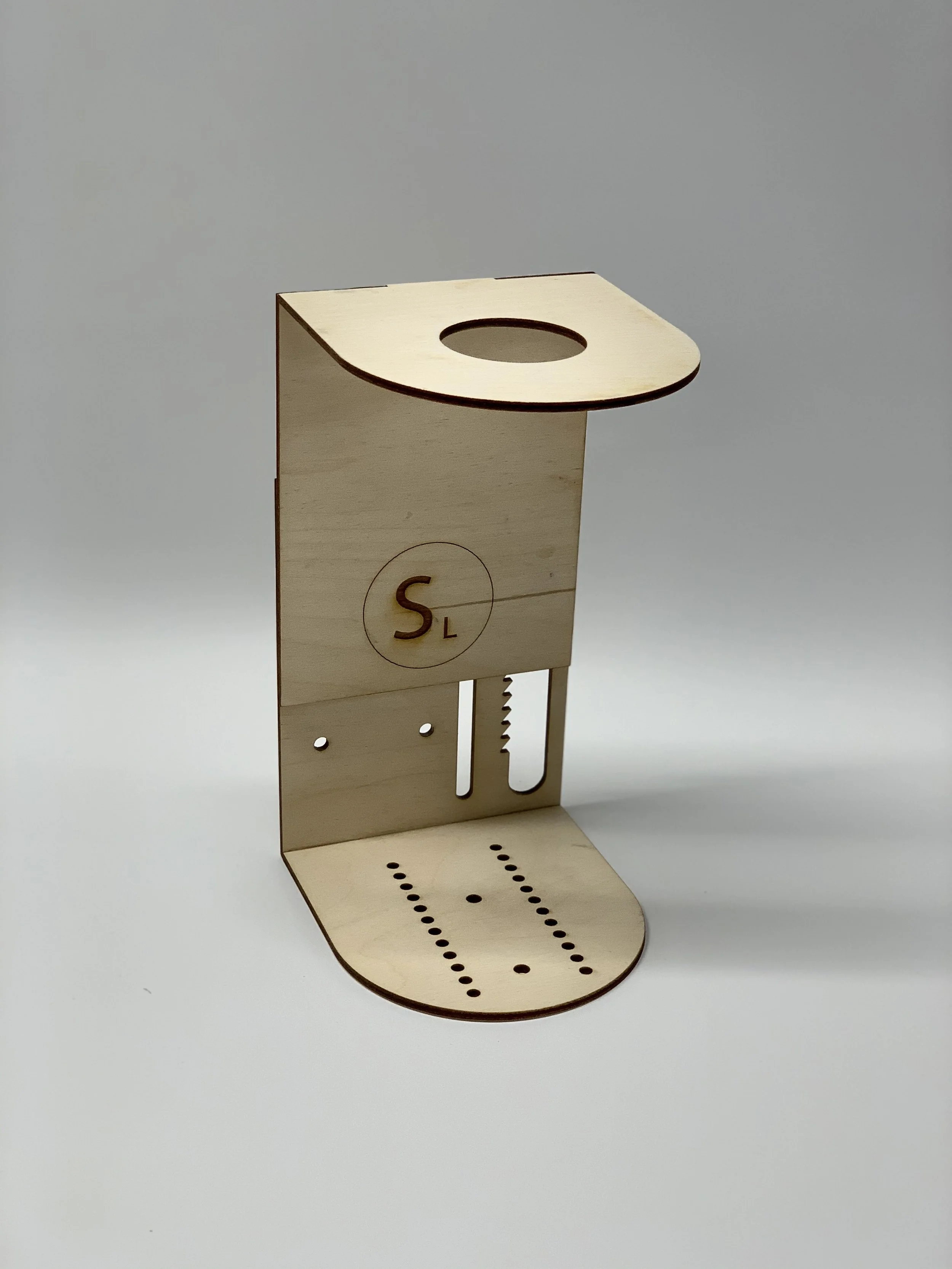
The SoapLock prototype was developed through an iterative process, testing the core locking and holding mechanism across different bottle shapes and sizes to ensure reliable performance in real-world conditions. Physical models were used to validate the magnetic locking system, refine tolerances, and assess structural durability — ensuring the final design was as robust in practice as it was on paper.
Customer segments
Tier 1 - Hospitality
4 & 5-star Hotels
Boutique Hotels
Hotel Chains (B2B bulk)
Serviced Apartments
High volume, brand-sensitive, pay premium for aesthetics + reliability
Tier 2 - Wellness & Sport
Gyms & Fitness Centres
Spas & Wellness Clubs
Swimming Pools
Yoga Studios
High theft risk, heavy daily use, value durability and easy staff refills
SoapLock targets commercial operators who suffer a real, recurring cost from soap dispenser theft and maintenance, a problem that's largely invisible to consumers but deeply familiar to hotel housekeeping managers, gym facility teams, and restaurant owners. The primary segment is the hospitality industry, where a mid-size hotel with 80 rooms and 3 dispensers per bathroom represents a 240-unit opportunity per single client. The magnetic locking mechanism and premium brushed copper finish position SoapLock squarely in the 4–5 star tier, where aesthetics are non-negotiable and procurement budgets are meaningful. Secondary segments, gyms, spas, and office buildings, care less about looks and more about durability and easy staff changeovers, which the adjustable cradle and magnetic release system also solve well.
The biggest strategic lever is the B2B bulk model. A single hotel chain contract could place hundreds of units at once, and once installed, SoapLock creates a natural opening for a co-branded soap refill partnership with premium brands like Aesop or L'Occitane, a potential recurring revenue stream on top of the hardware margin. With a ~53% gross margin on the premium unit and a defensible product through its magnetic lock IP and adjustable cradle, the business case is strong — the key execution challenge is getting in the door with the right procurement contacts, which makes trade shows and interior design specifiers the most efficient early channels.
Tier 3 - Public & Commercial
Restaurants & Cafés
Airports & Lounges
Office Buildings
Co-Working Spaces
Procurement-driven, price-sensitive, require bulk ordering & warranties
Unit economics - Premium unit (€79)
Manufacturing & materials (brushed copper, magnet, ABS cradle)
Packaging & quality control
Shipping & fulfilment
Payment processing + returns buffer
Gross profit per unit
€22
4
7
4
€42 (53%)

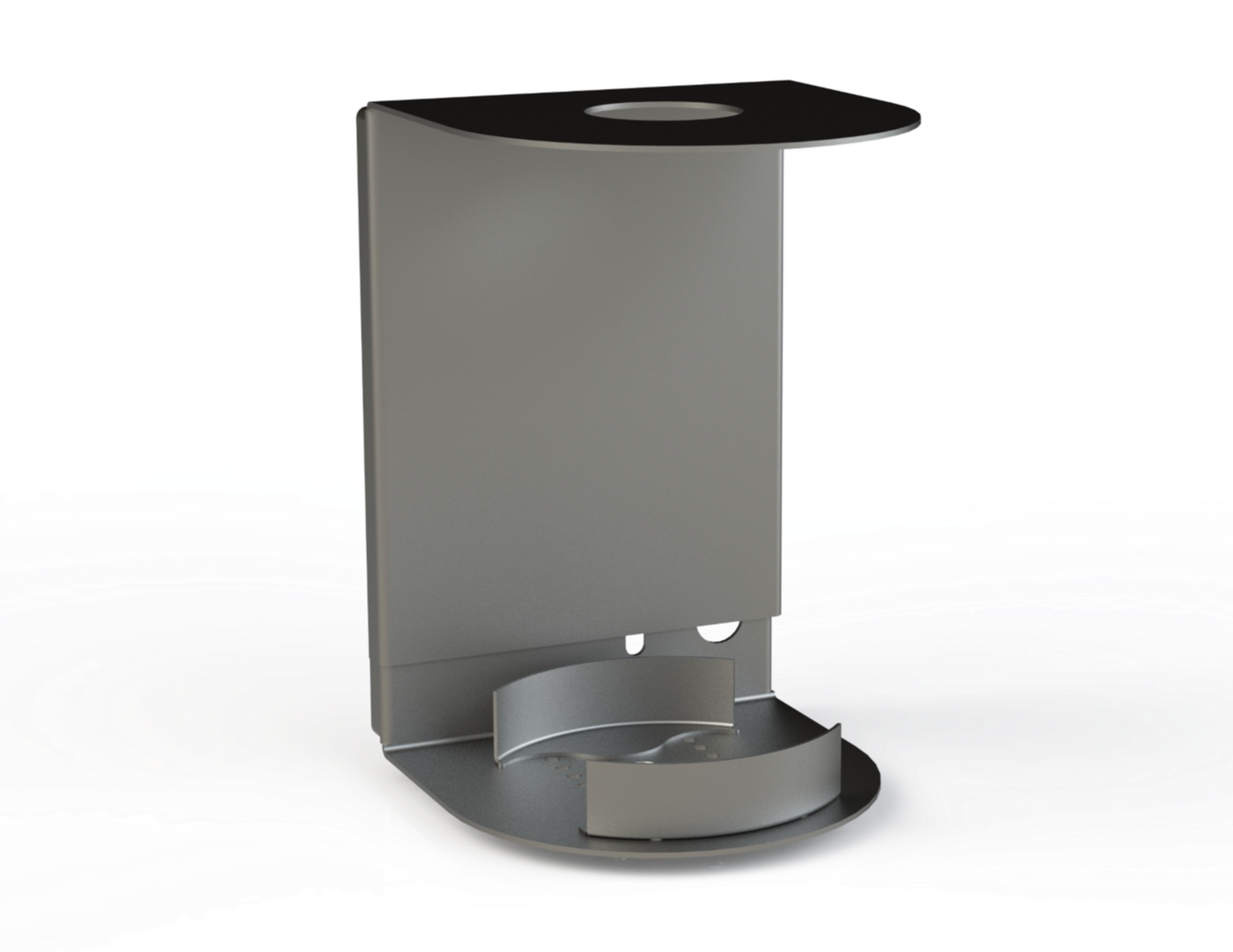
Standard
Matte white / black finish
€49 per unit
✓ Magnetic lock
✓ Adjustable cradle
✓ Wall mount kit
✗ Premium finish
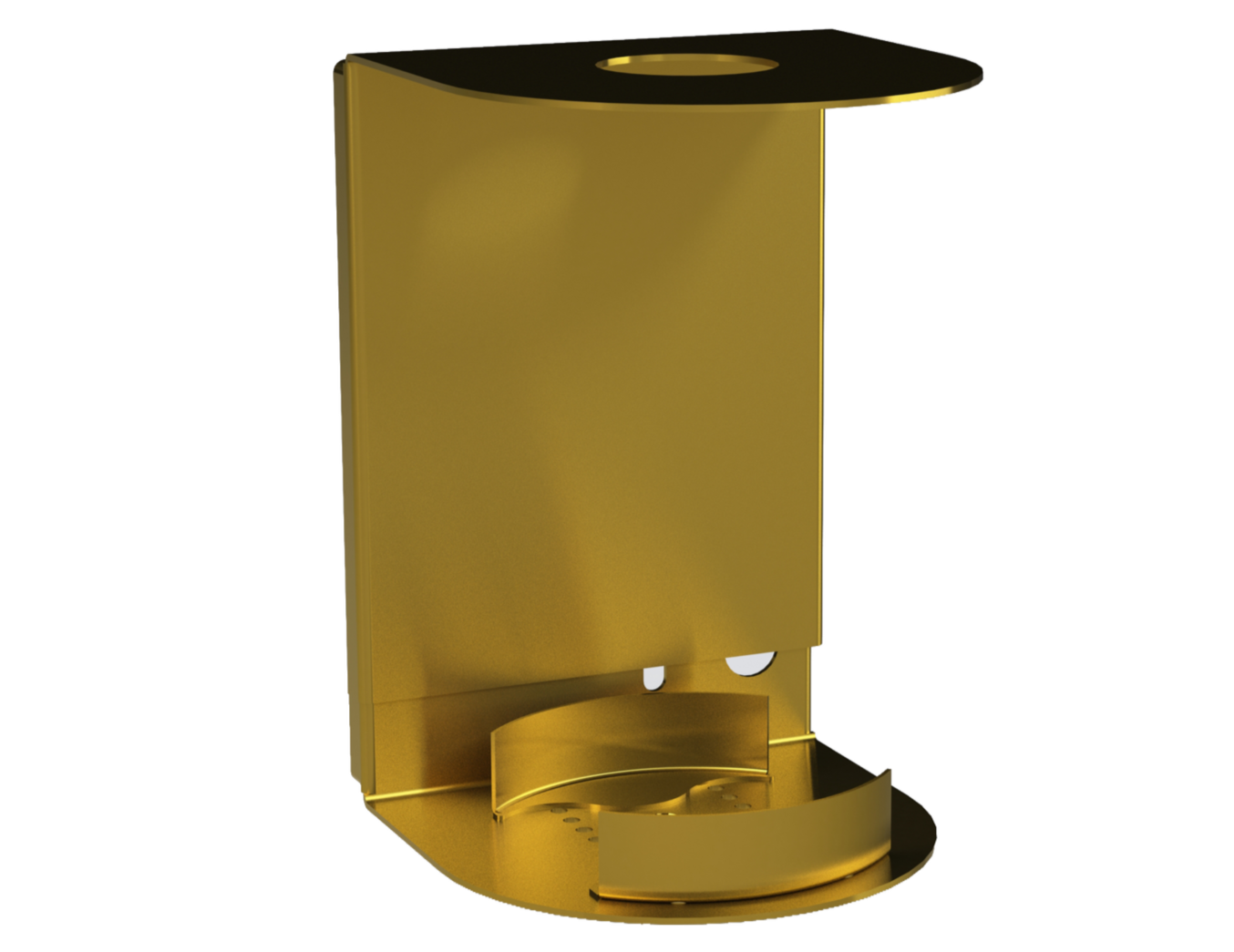
Premium
Brushed copper / brass / gold
€79 per unit
✓ Magnetic lock
✓ Adjustable cradle
✓ Concealed wall anchors
✓ Brushed copper finish
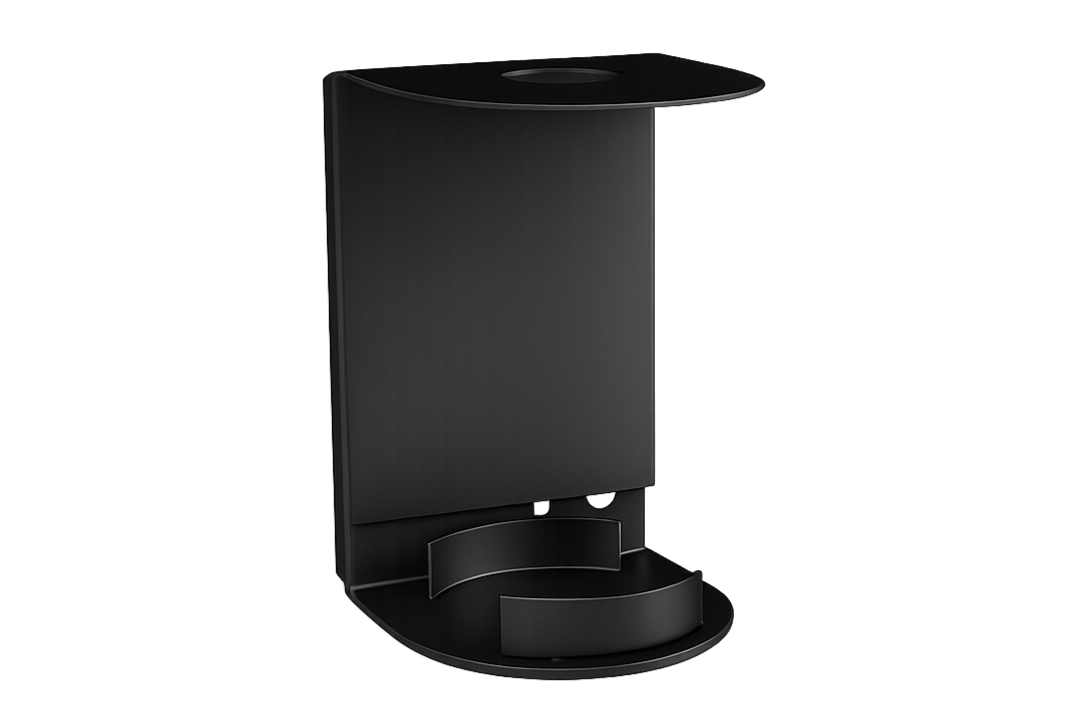
Most Popular
B2B bulk
20+ units, any finish
€39–59 per unit (volume pricing)
✓ All features included
✓ Custom logo engraving
✓ Dedicated account manager
✓ 2-year warranty
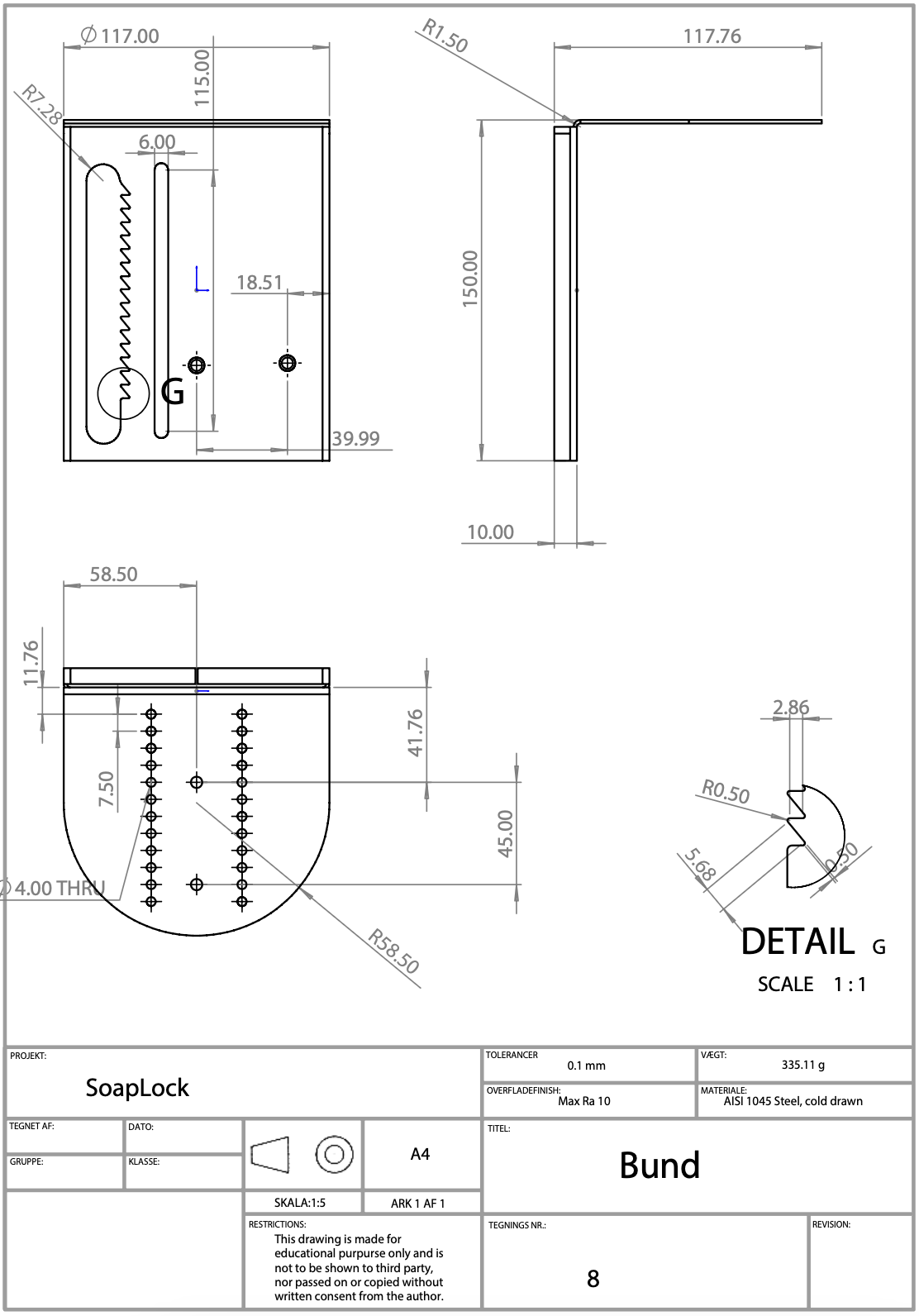
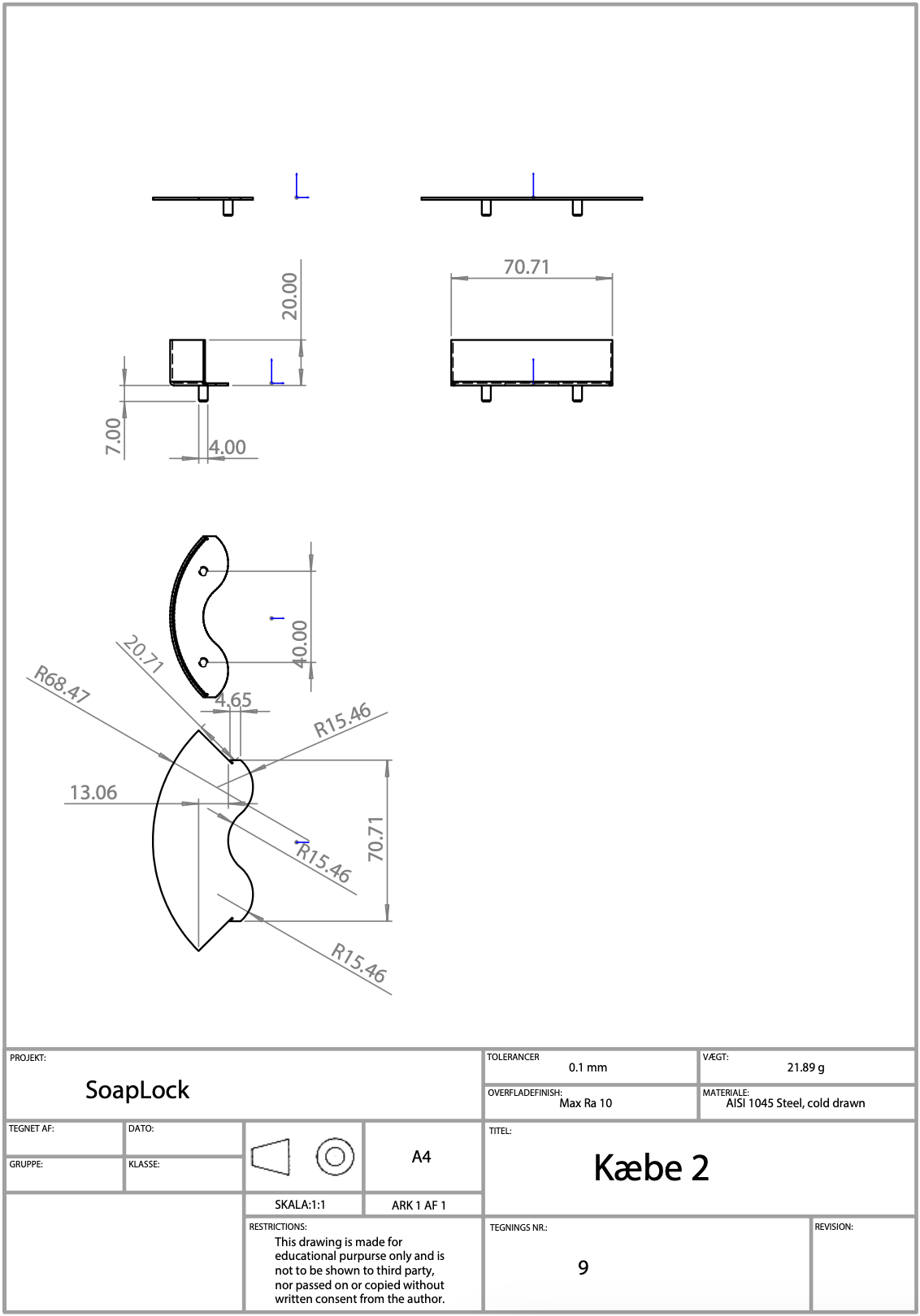
Technical Drawings
-
![]()
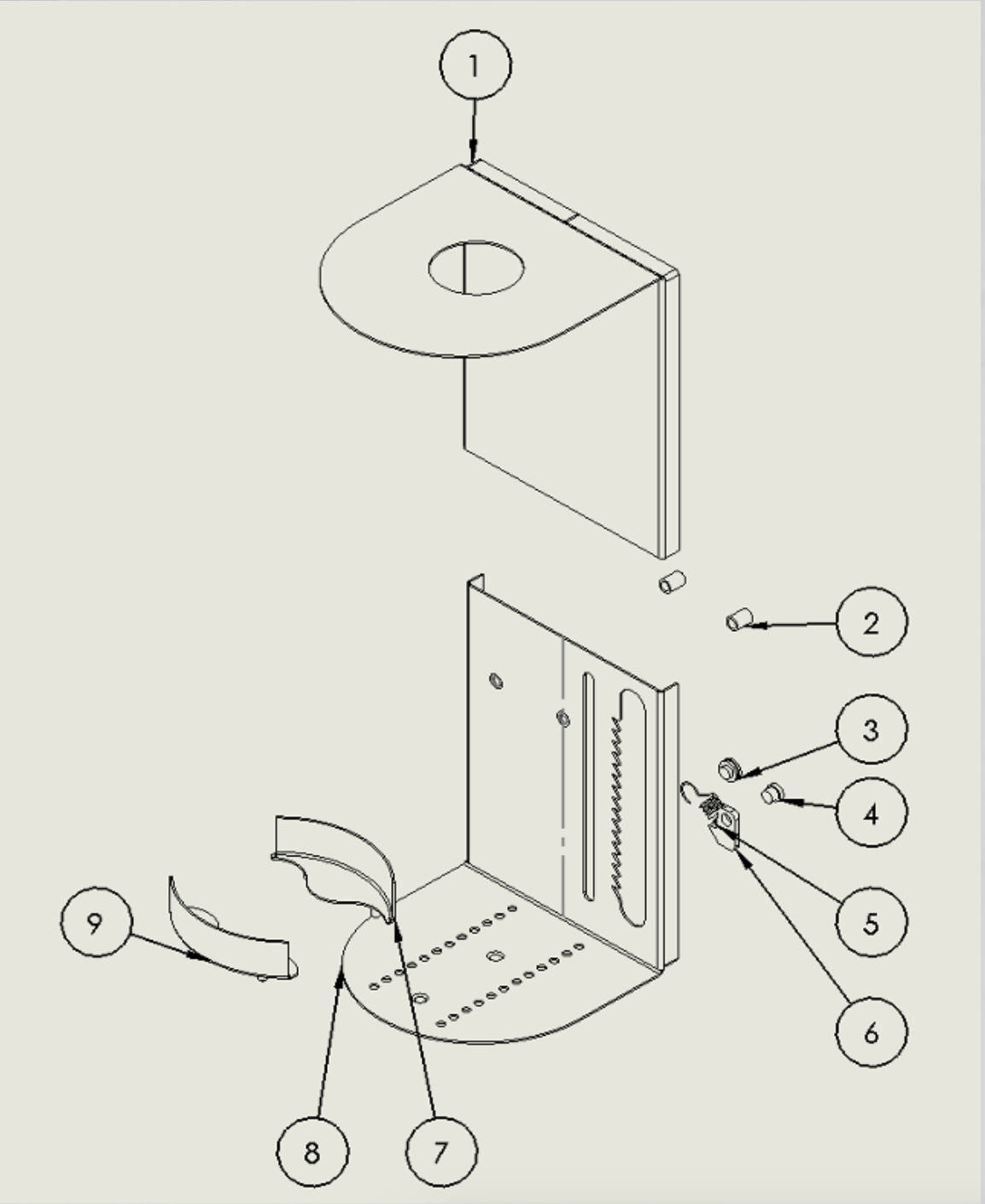
Technical Drawing Overview
-
![]()
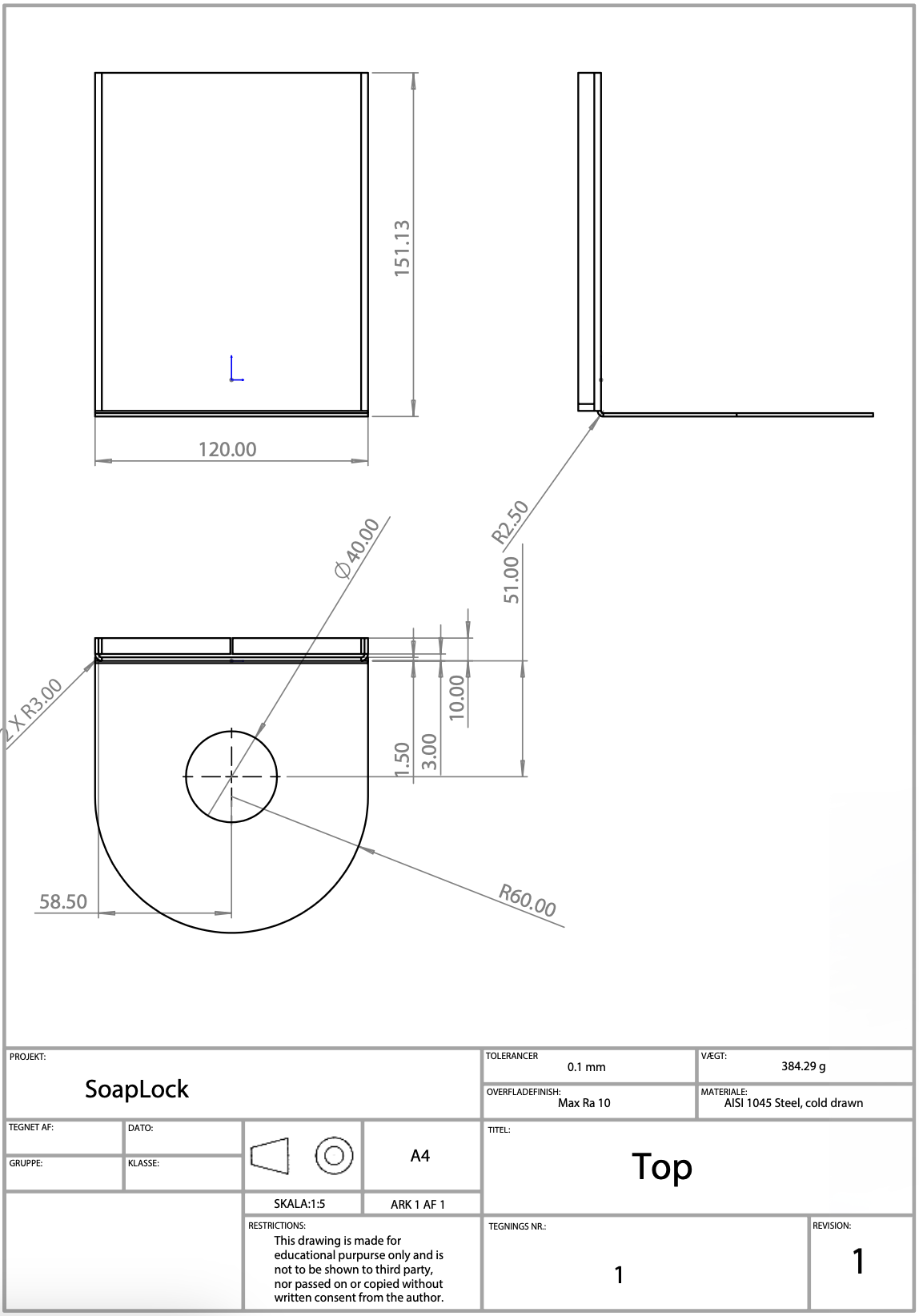
1. Top
-
![]()
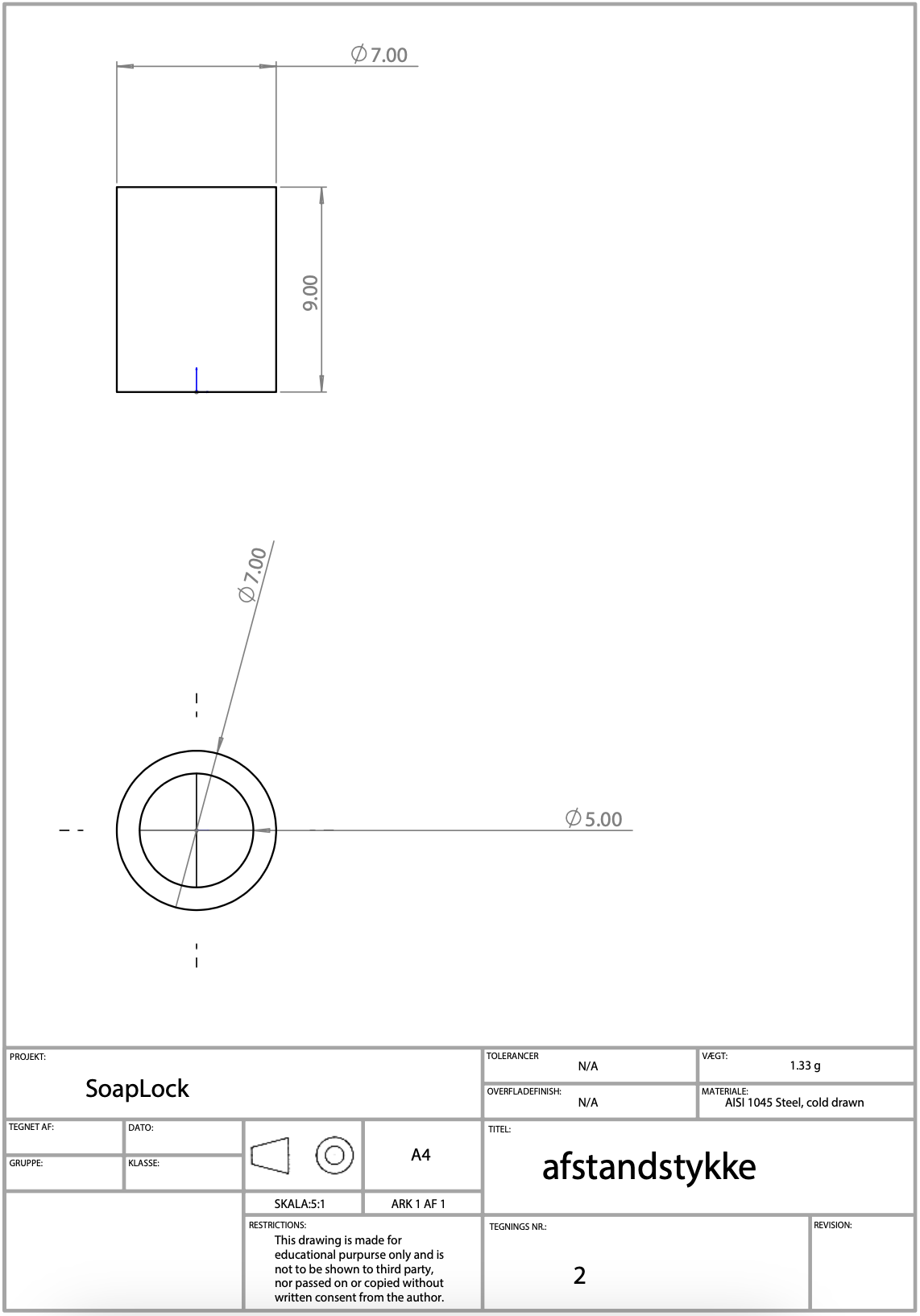
2. Spacer
-
![]()
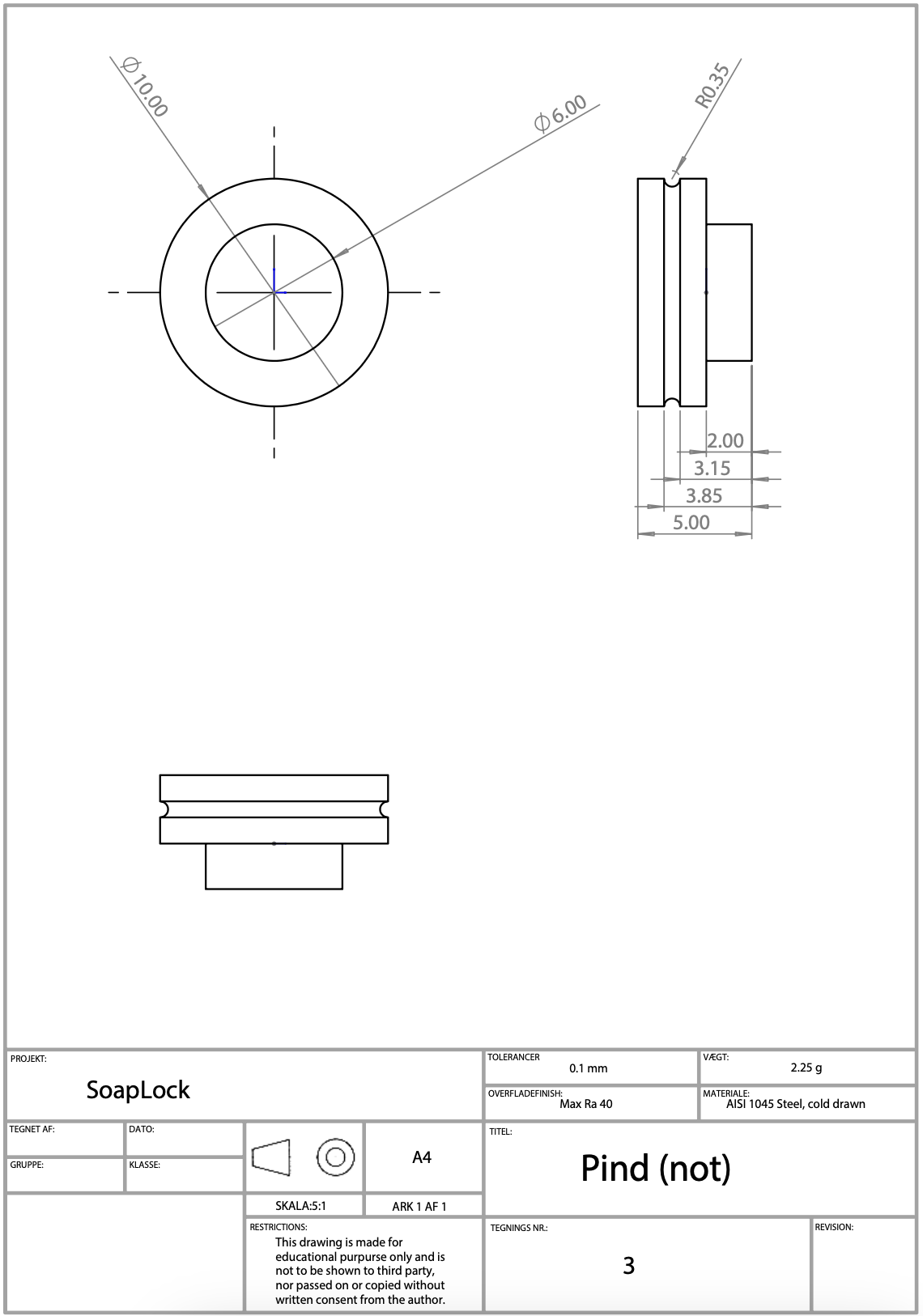
3. Notched Pin
-
![]()
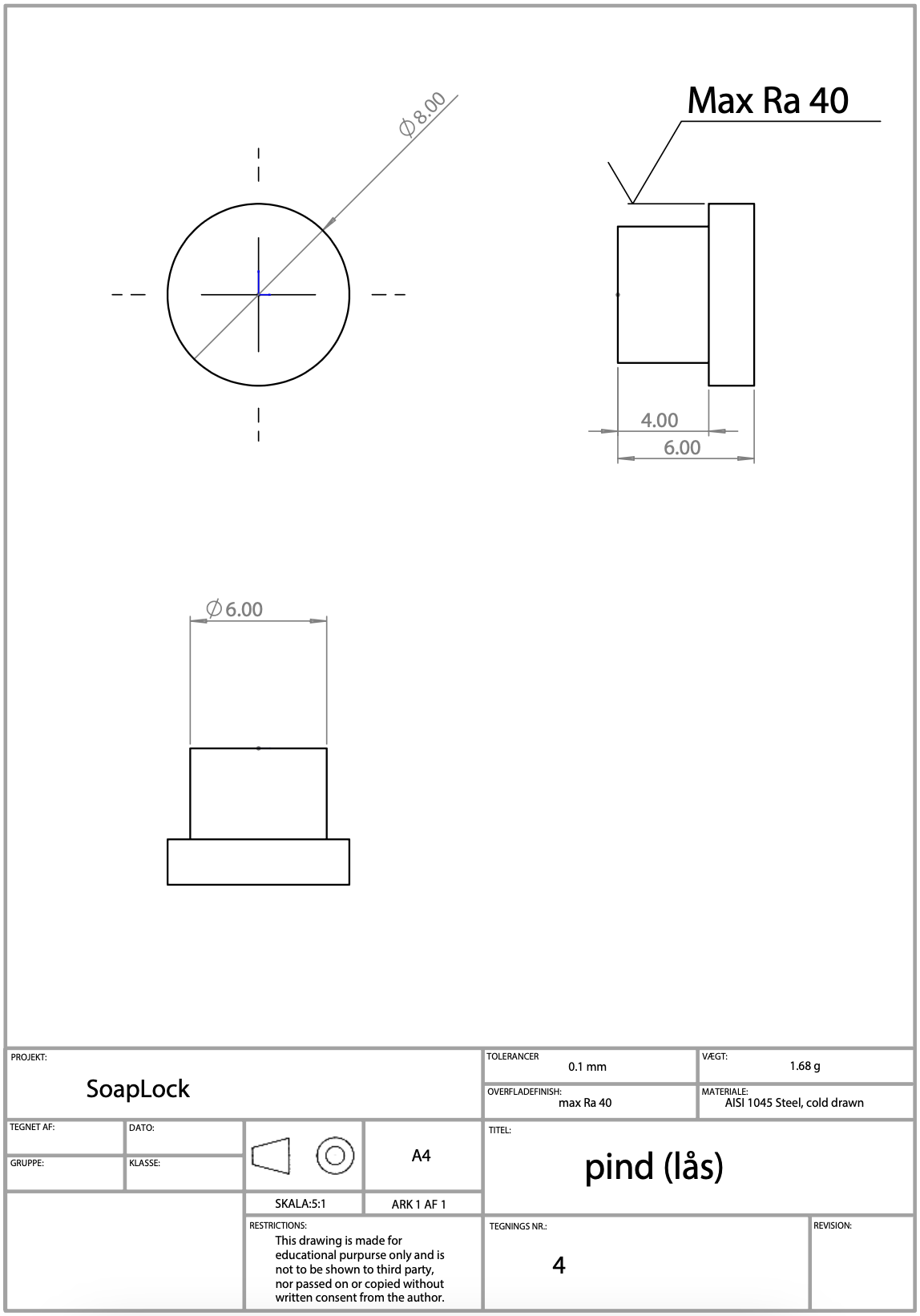
4. Locking Pin
-
![]()
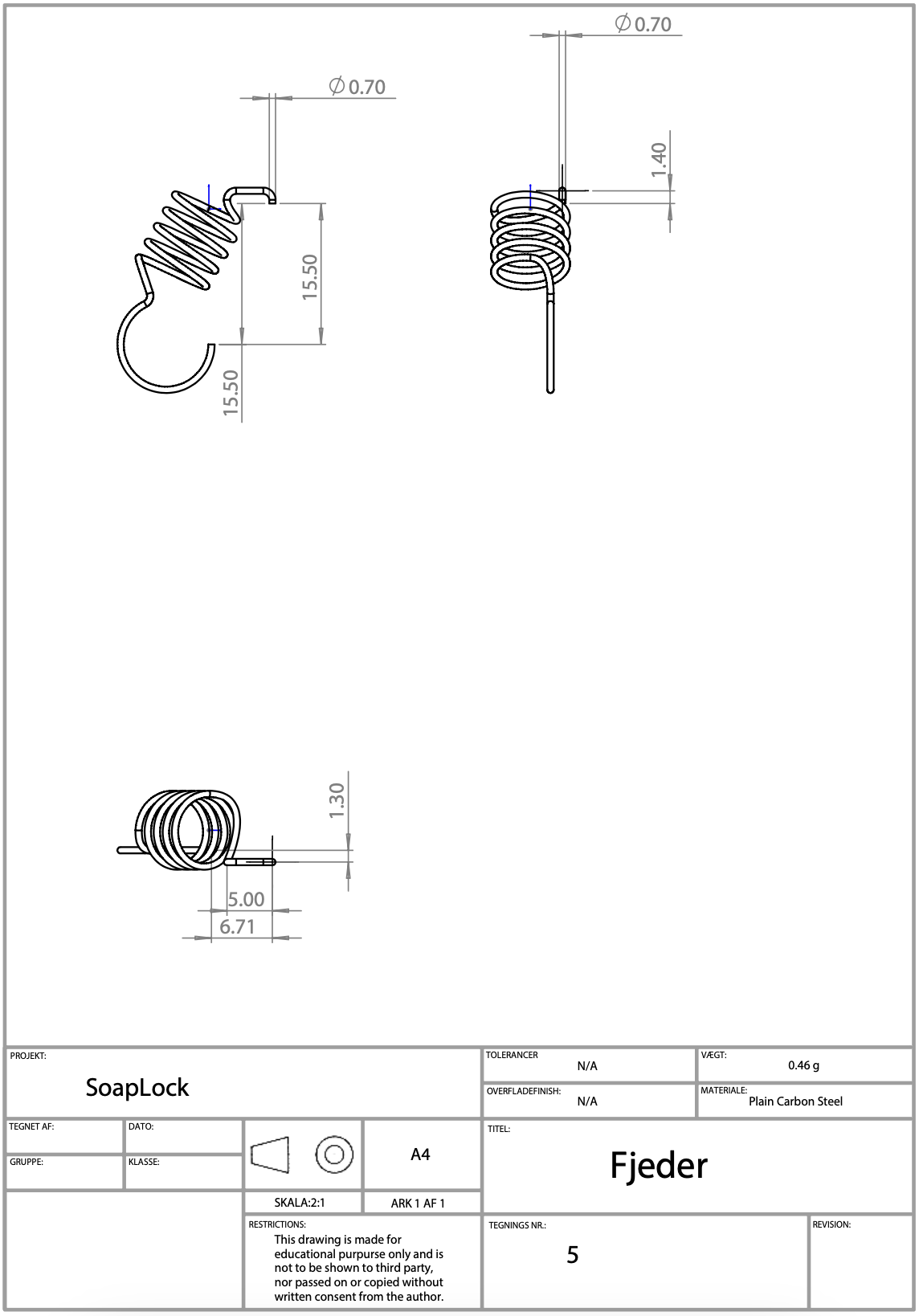
5. Spring
-
![]()
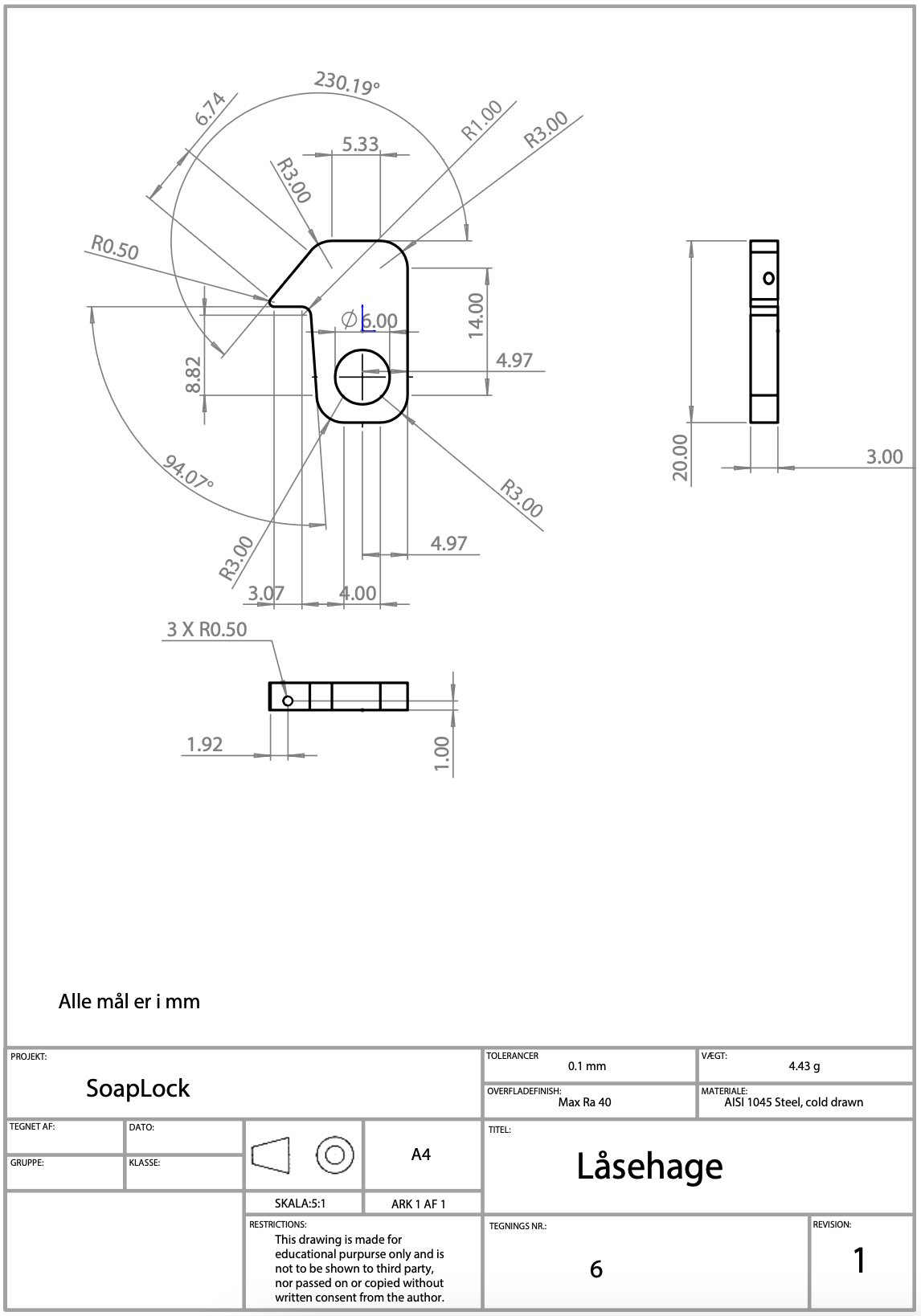
6. Locking hook
-
![]()
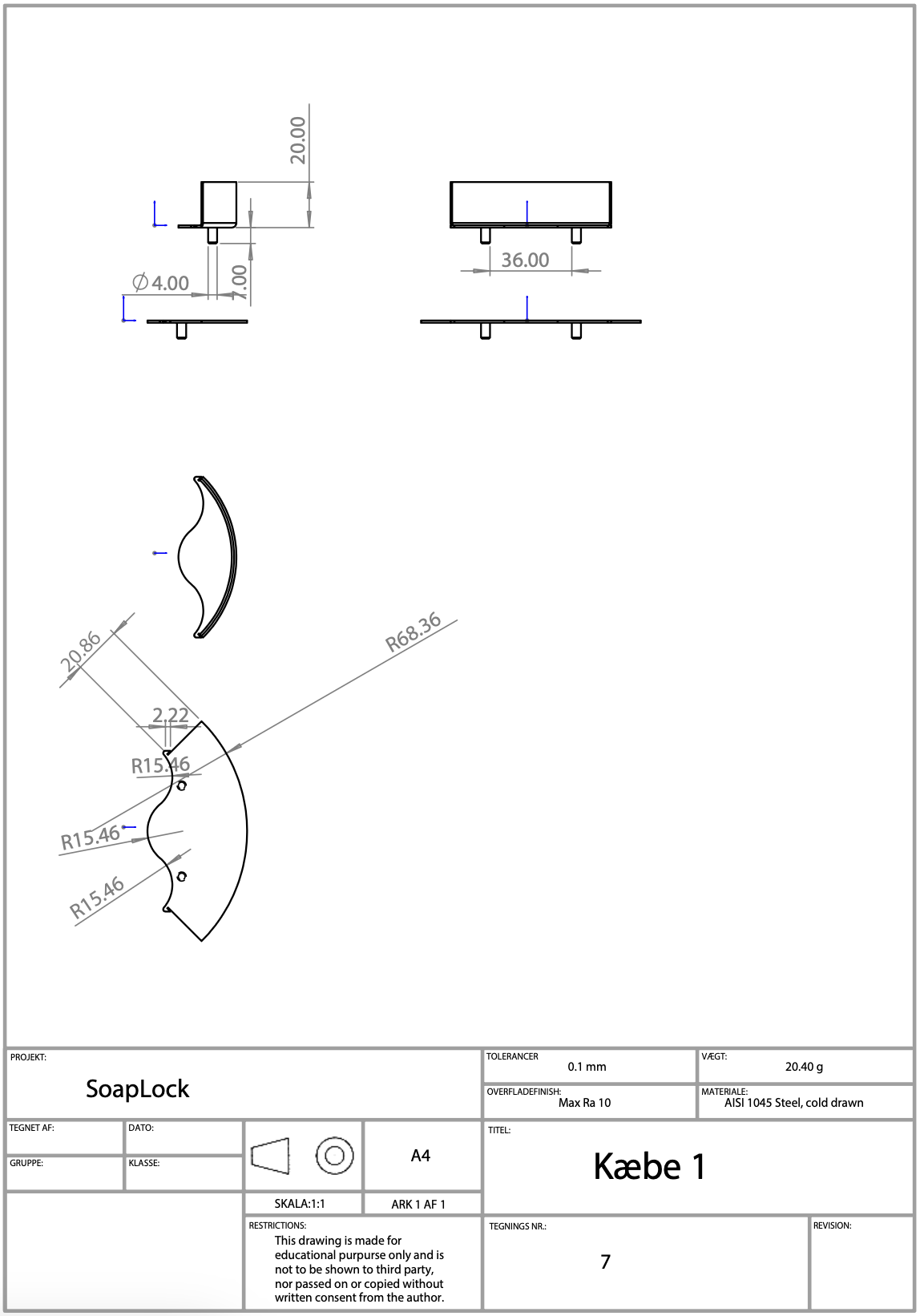
7. Jaw 1
-
![]()
8. Base
-
![]()
9. Jaw 2