A:GAIN x ELIS - Sustainable Acoustic Panels
From worn uniform to working wall — discarded workwear reborn as acoustic panels.
OLD UNIFORMS
၊၊||၊
NEW PURPOSE
၊၊||၊
OLD UNIFORMS ၊၊||၊ NEW PURPOSE ၊၊||၊
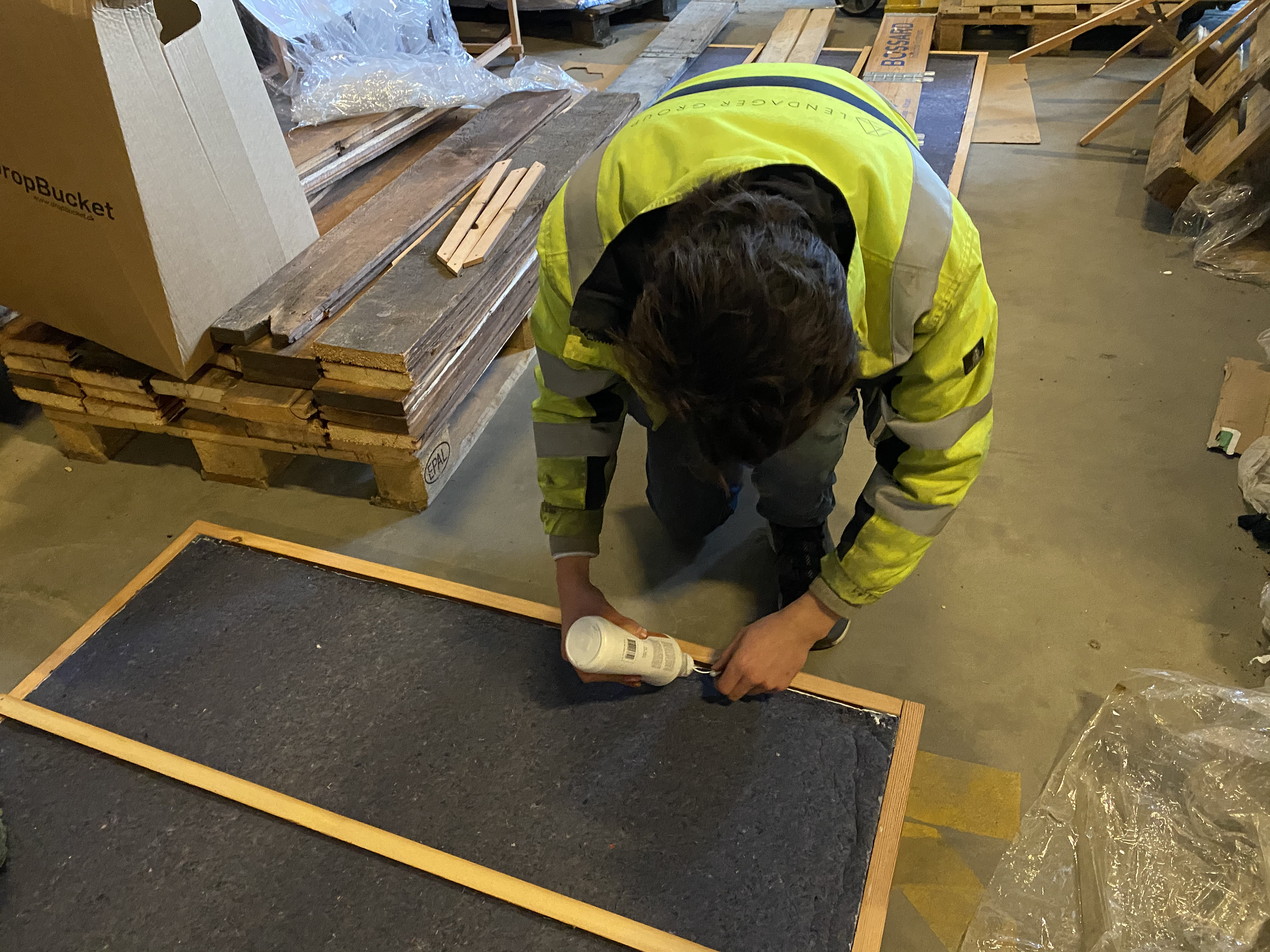
Every year, thousands of worn-out workwear uniforms are collected, retired, and discarded, their story ending in landfill. This project asks what happens if it doesn't.
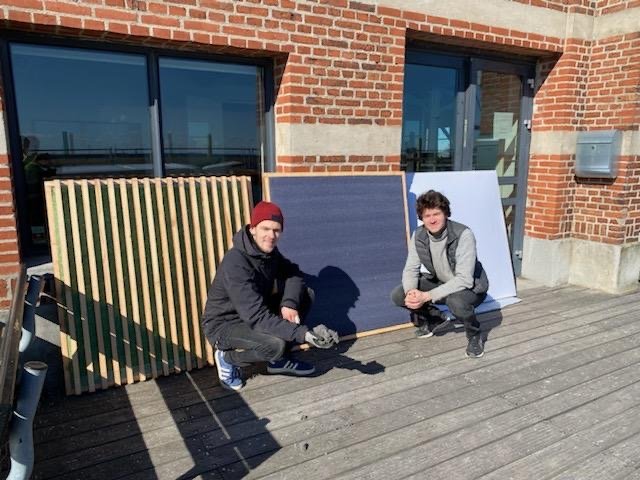
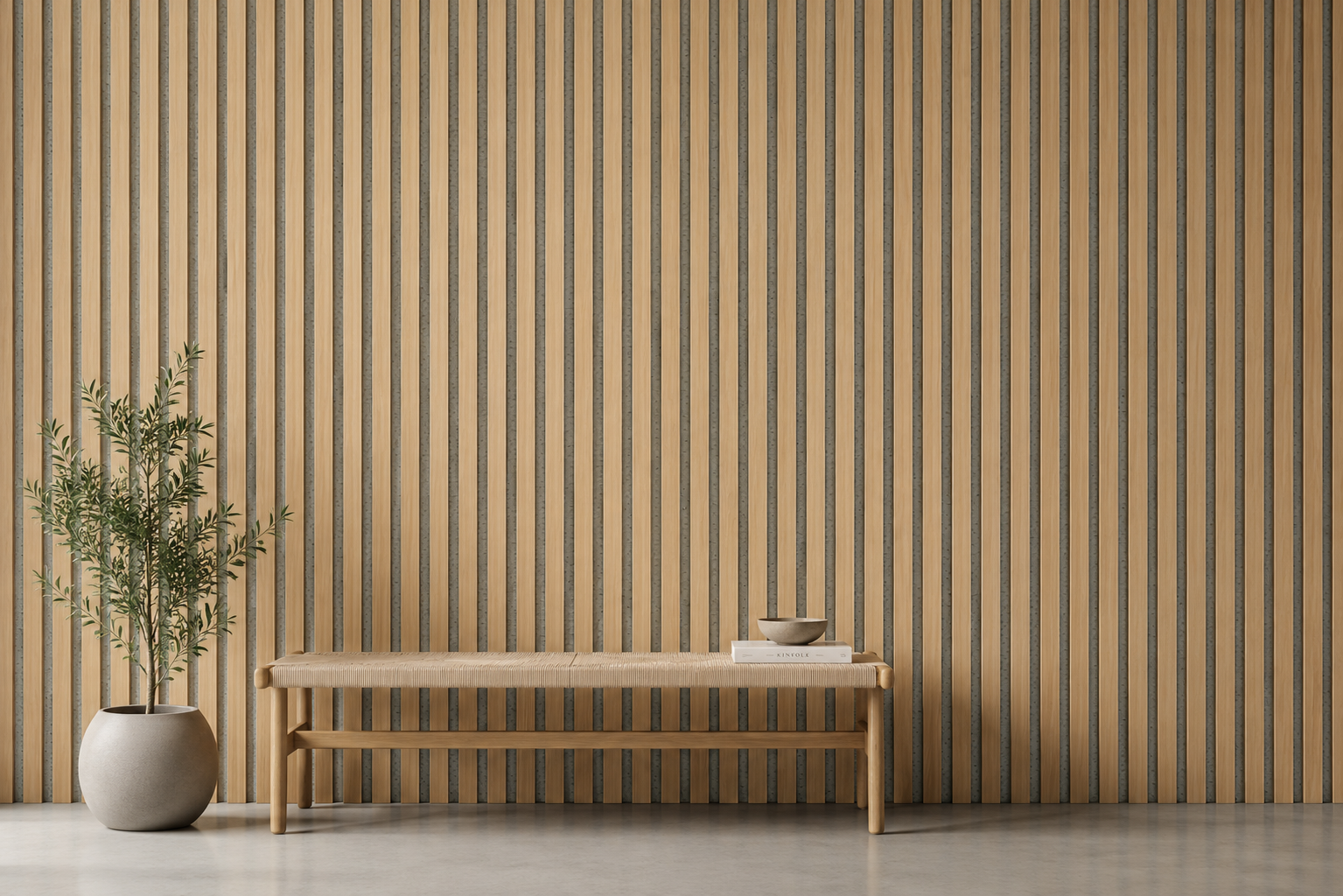
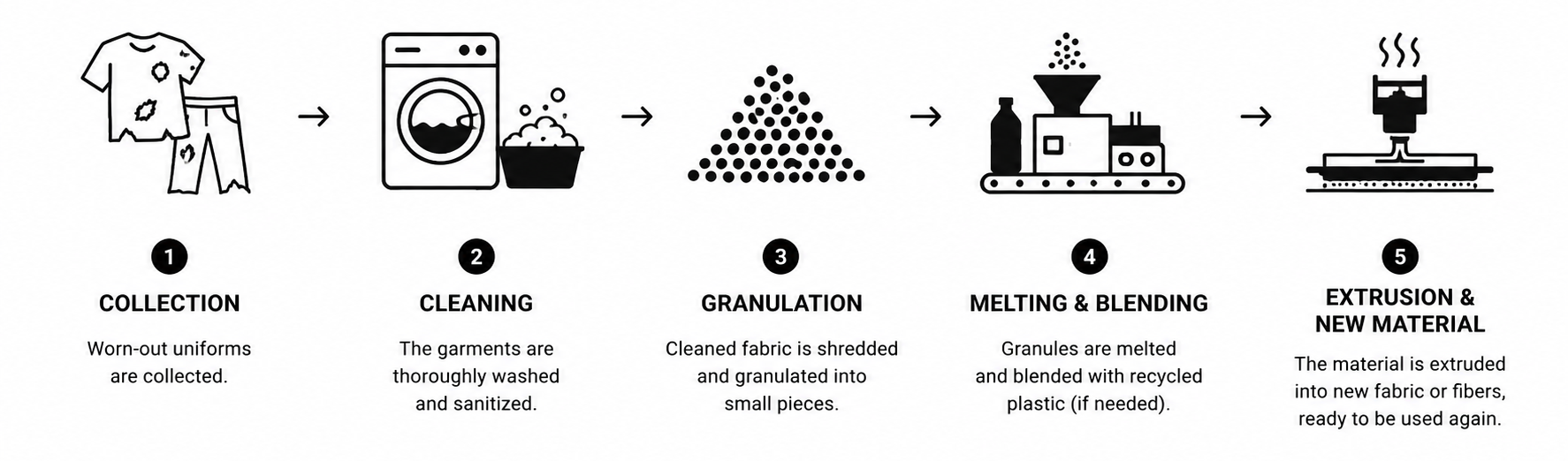
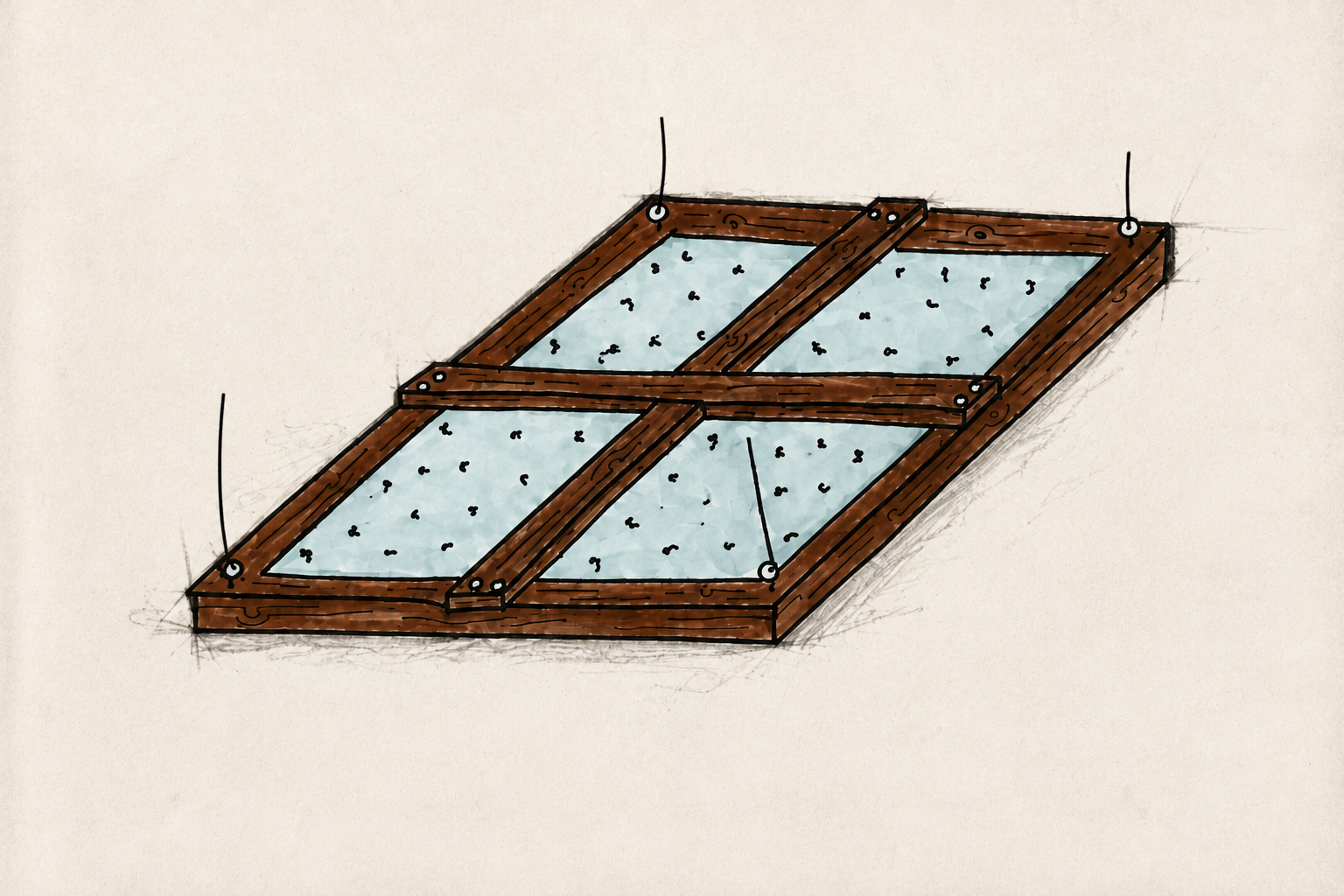
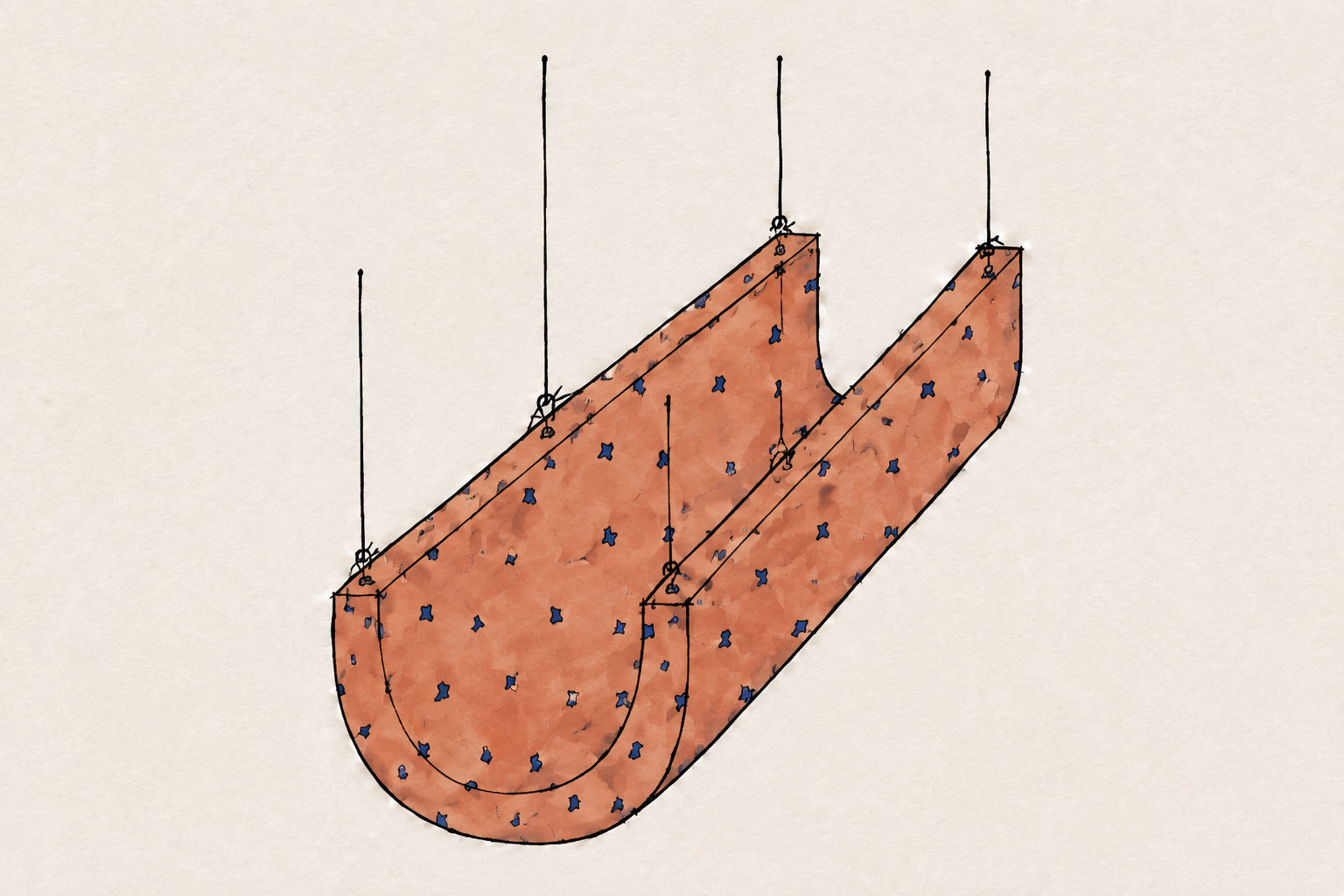
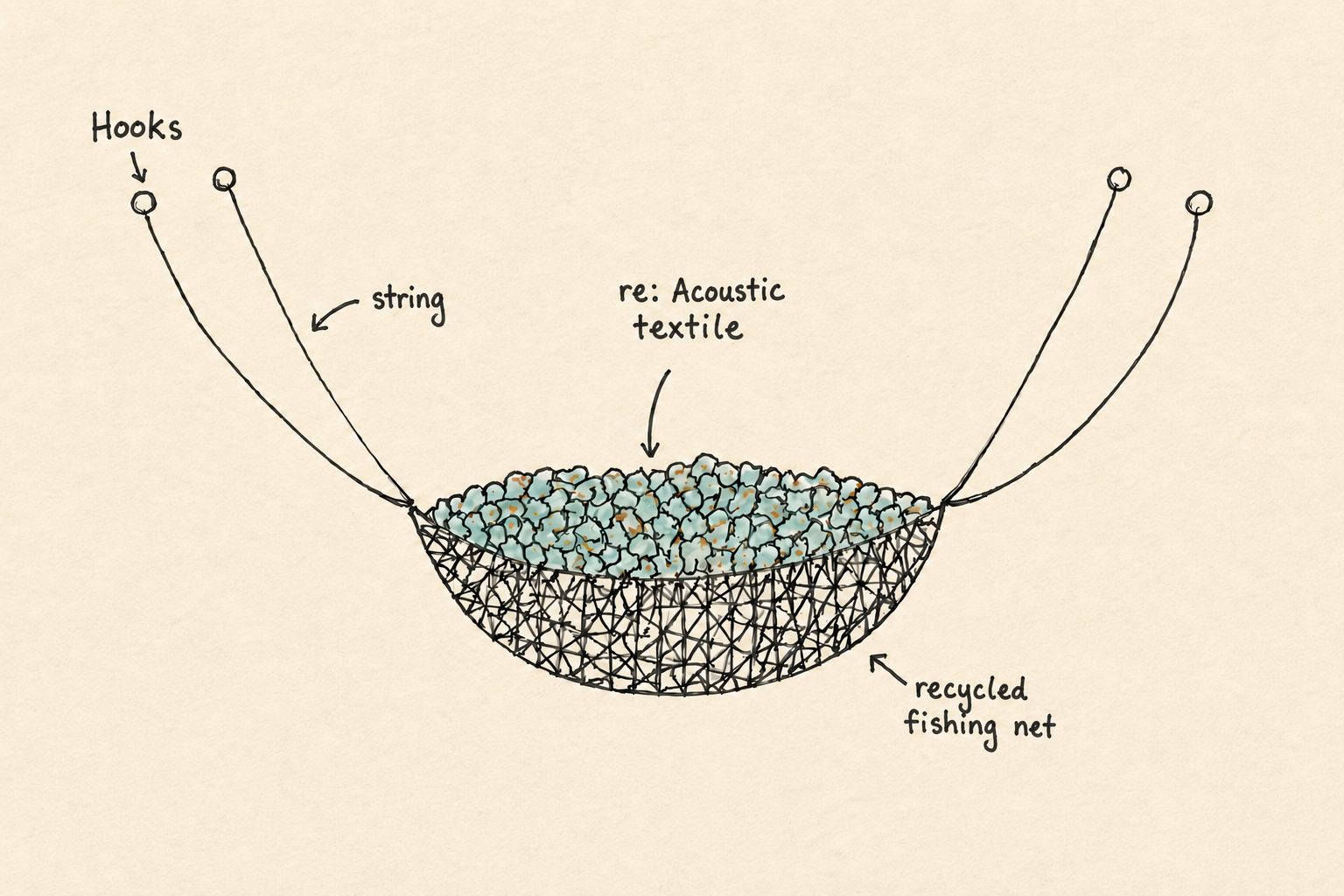
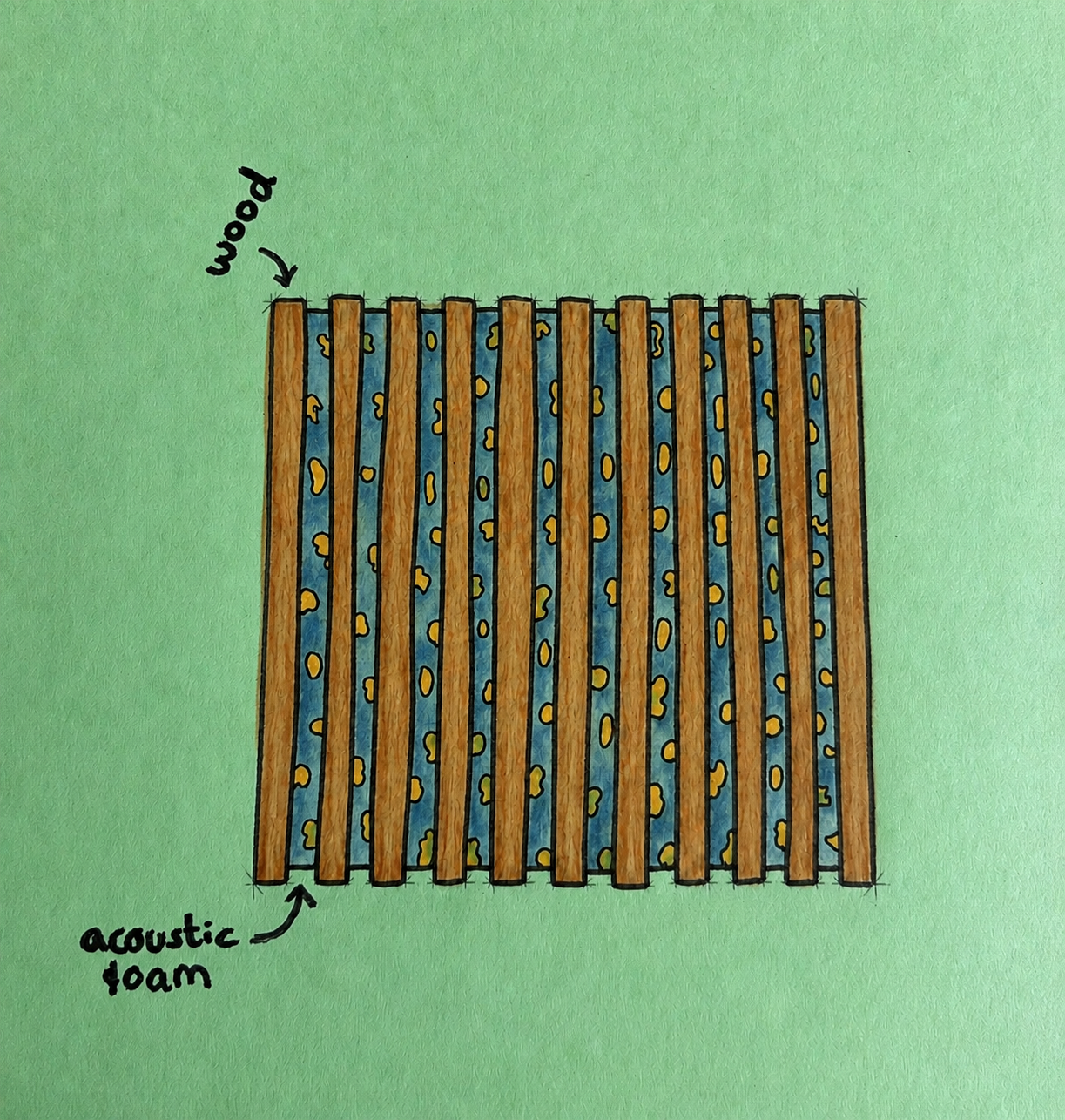
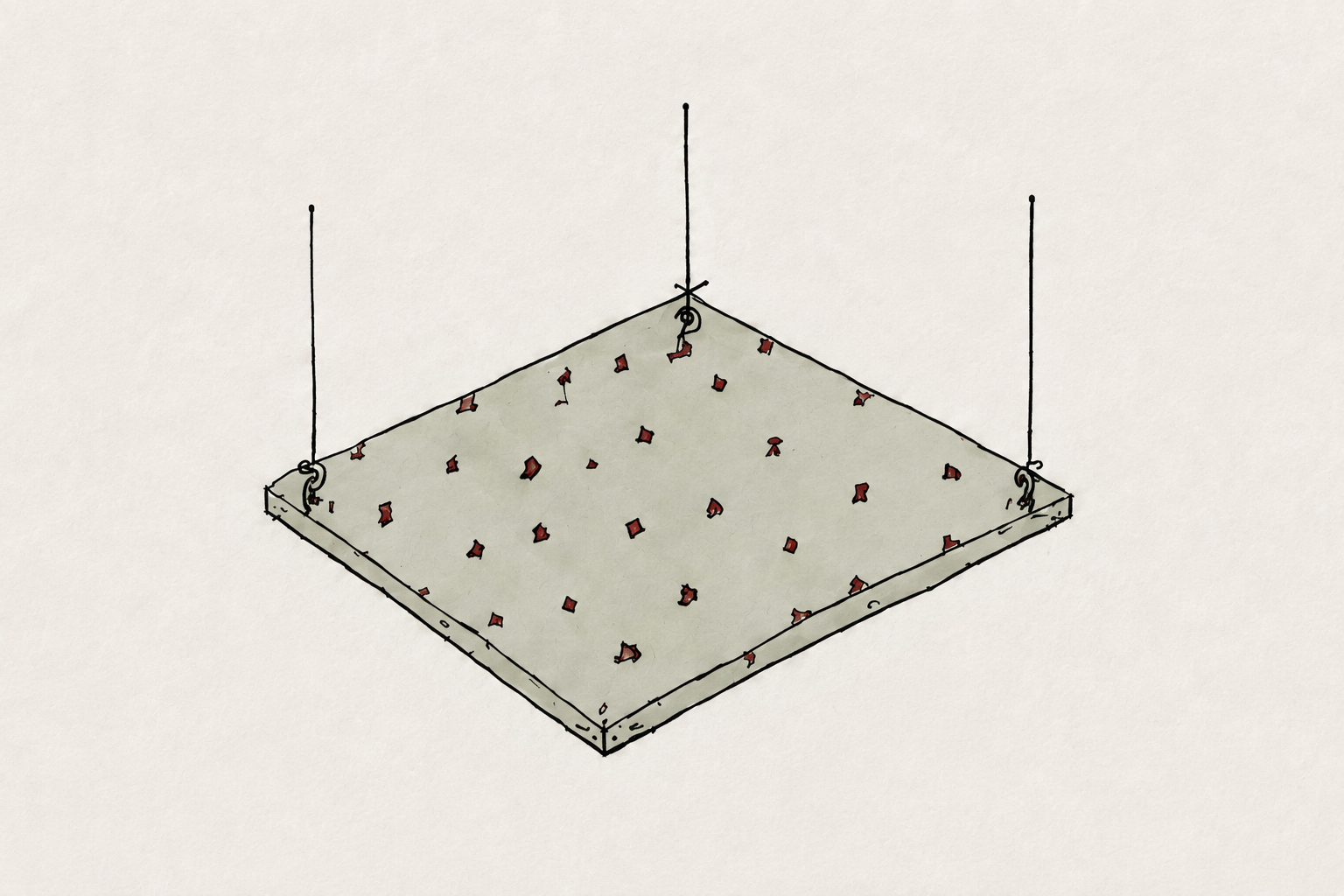
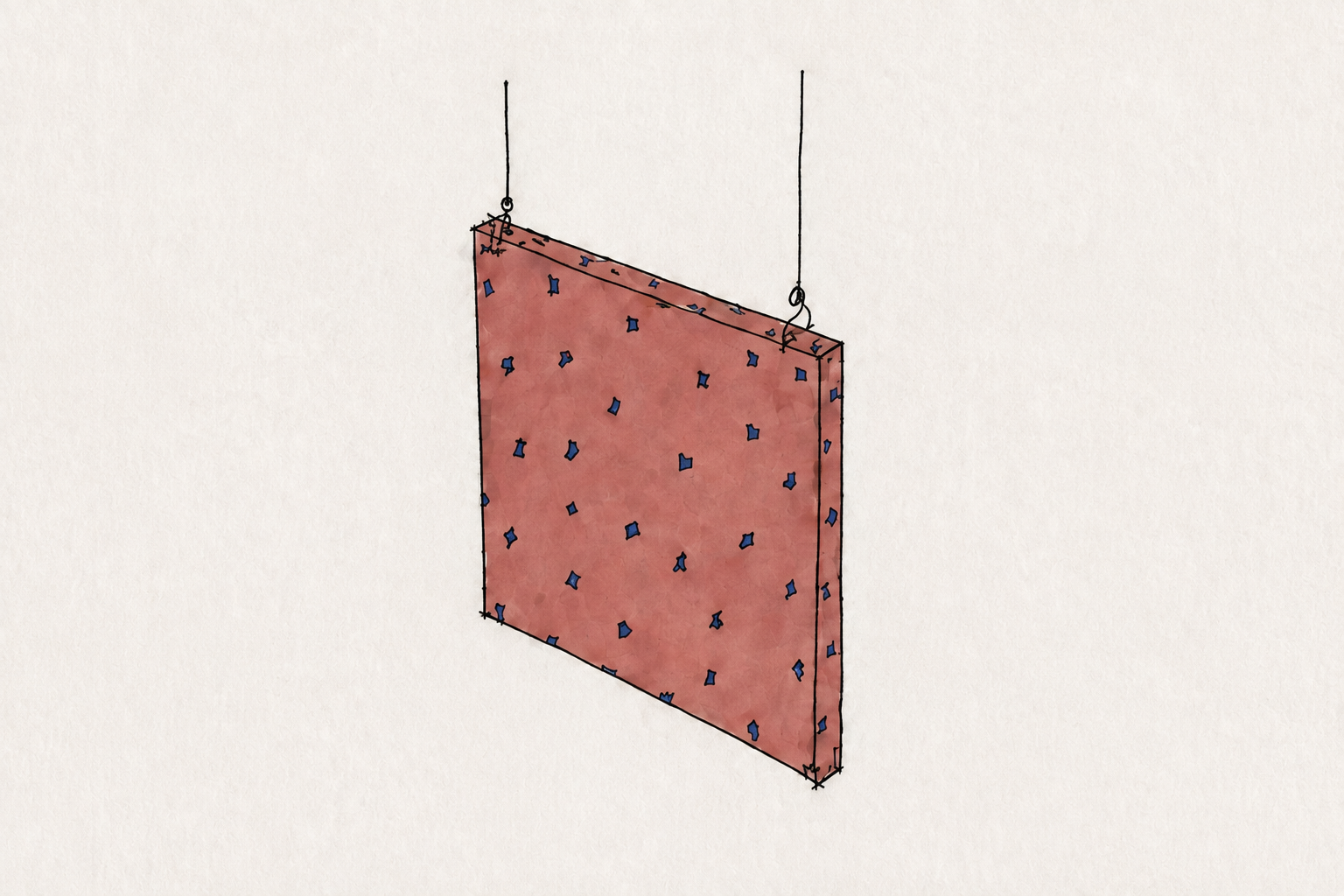
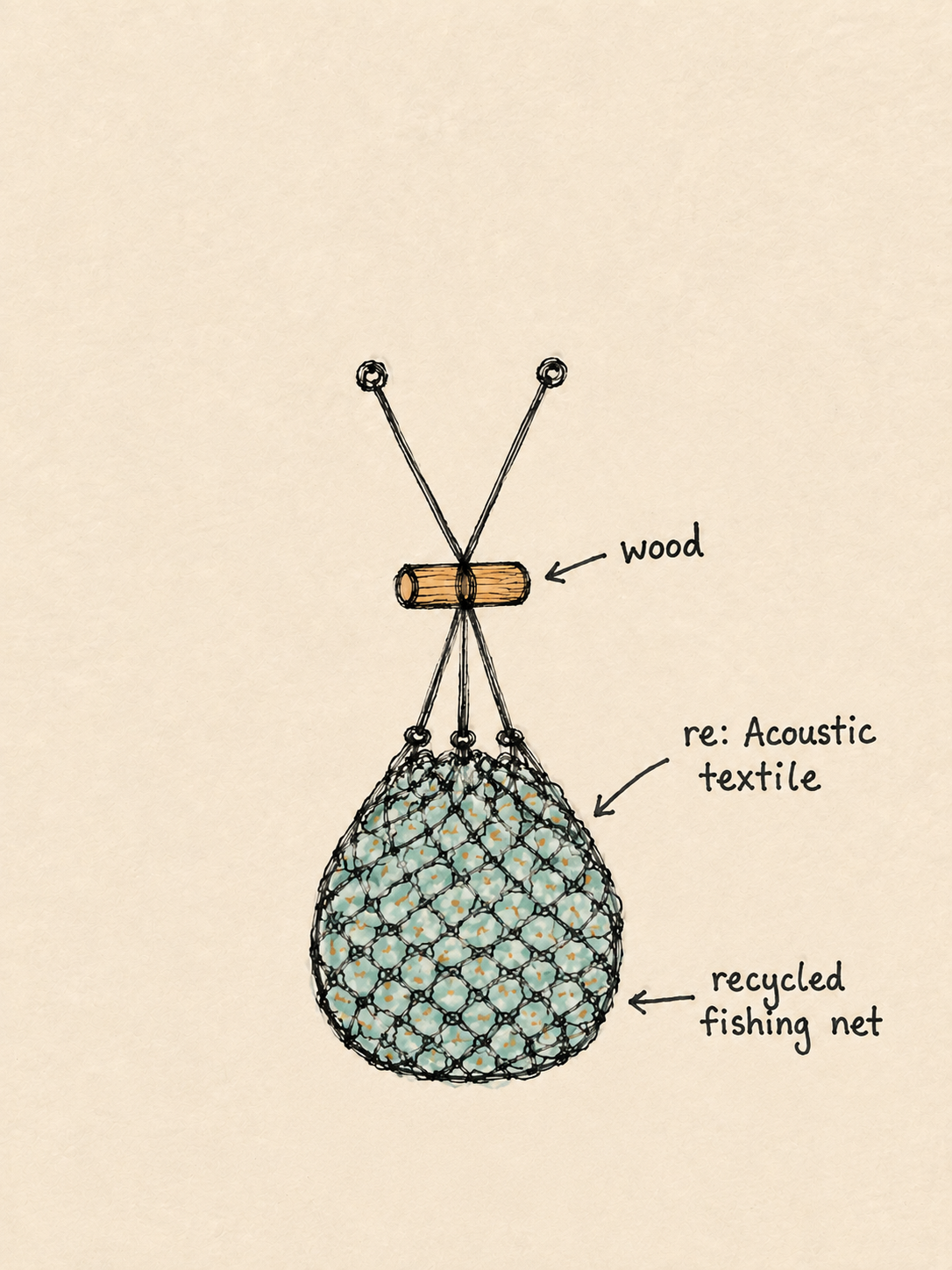
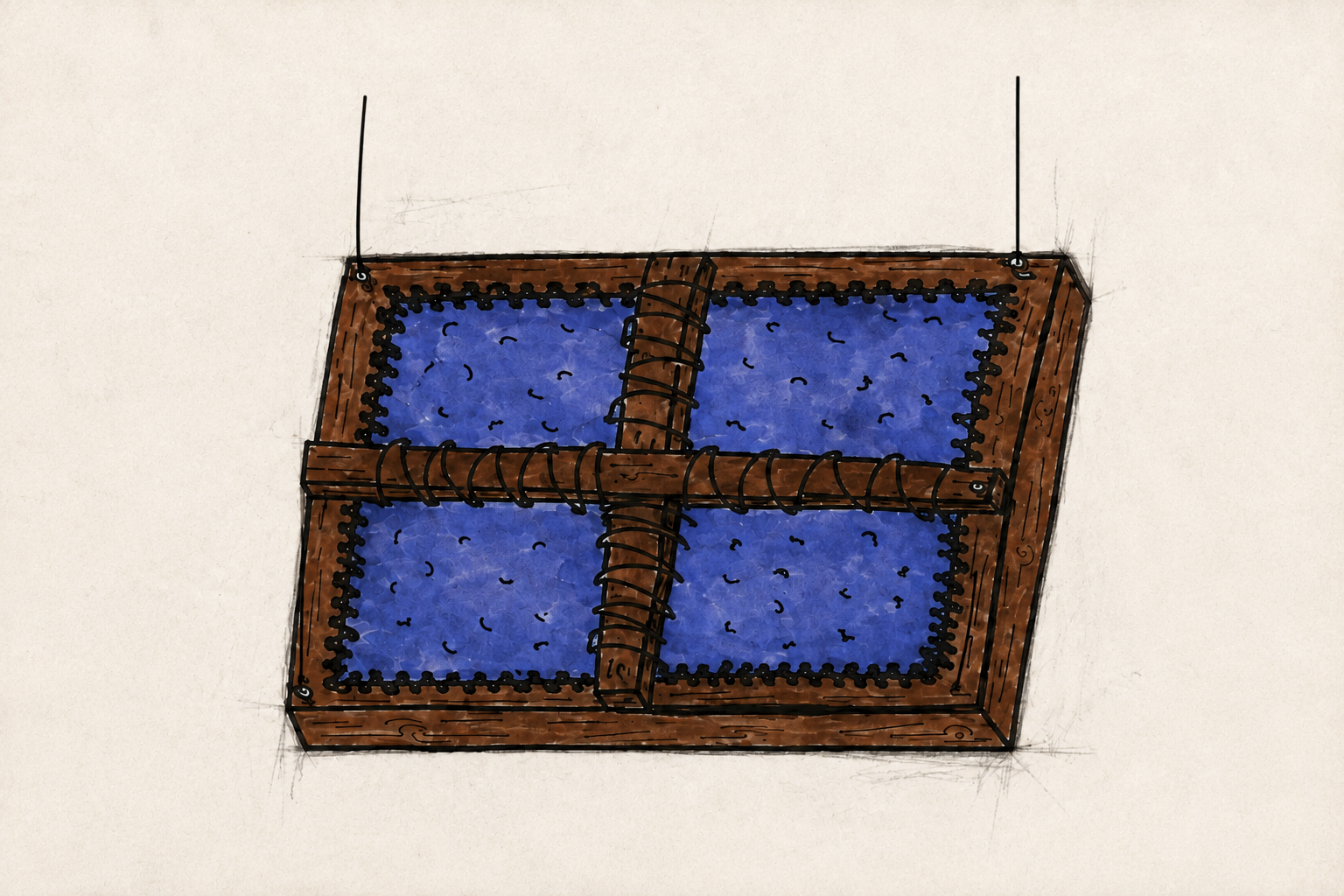
Using decommissioned uniforms supplied through ELIS, a leading textile service company and key partner in the material supply chain, discarded workwear is given a second life as acoustic panels, transforming the dense, layered fabric into a high-performing sound-absorbing material. The result is a product that doesn't just reduce noise, it carries history: the worn fibres of industries, trades, and working lives recomposed into something functional, considered, and quietly beautiful.
It sits at the intersection of circular design, material honesty, and workplace environments, proving that the most interesting raw material is often the one we were about to throw away.
Every year, Europe destroys 4–9% of its unsold textiles before a single garment is worn. That waste alone generates roughly 5.6 million tonnes of CO₂, nearly as much as Sweden's entire net emissions in 2021.
Why I work with this material
Every year, the fashion and textile industry throws away an estimated 92 million tonnes of clothing globally, roughly the equivalent of a garbage truck full of textiles being landfilled or burned every single second. Most of it isn't worn out beyond use; it's simply discarded. And of everything thrown away, less than 1% is ever recycled into new textiles.
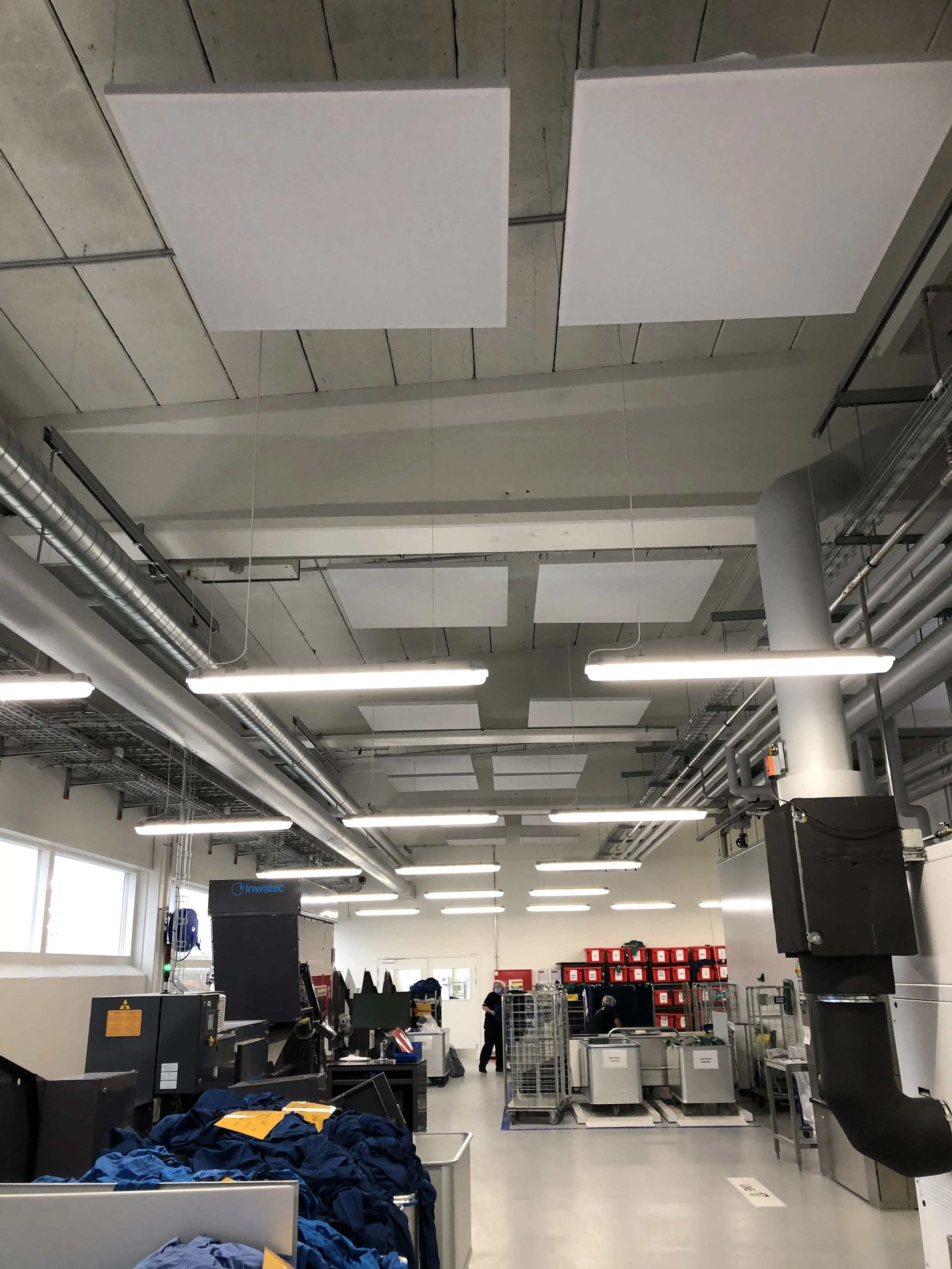
Uniforms are a big part of that story. Companies replace them constantly, for hygiene, branding, or simply wear, and most end up incinerated or sitting in landfill for decades, slowly releasing microplastics and greenhouse gases as they break down.
I started working with recycled uniforms because I wanted to give that material a second life instead of watching it disappear into a landfill. Turning something that was written off as waste into a material you can actually build with, a wall panel, a piece of furniture, something people touch every day, feels like a small but honest way to push back against that cycle. It's not about perfection; it's about making sure fewer garbage trucks end up buried in the ground.
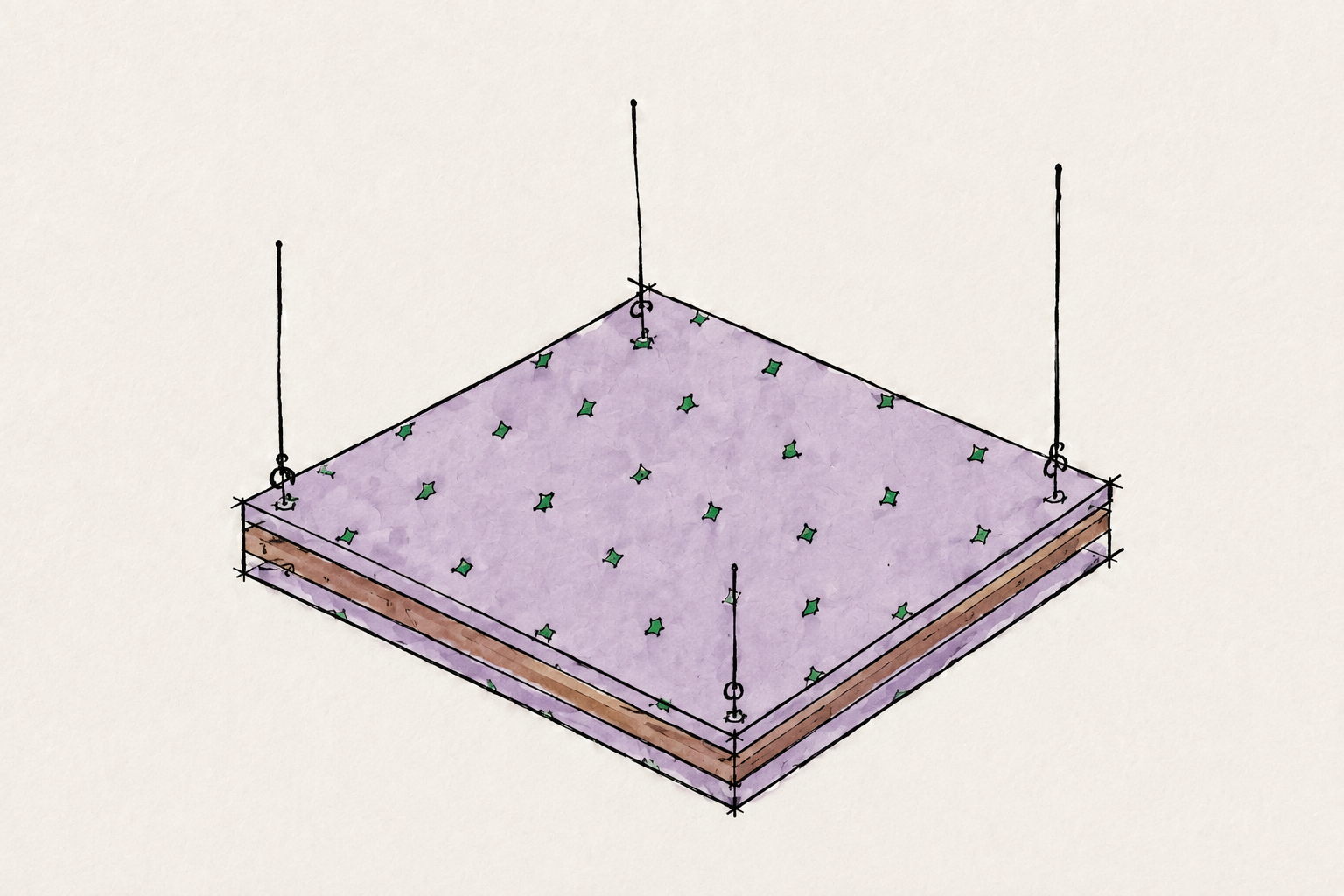
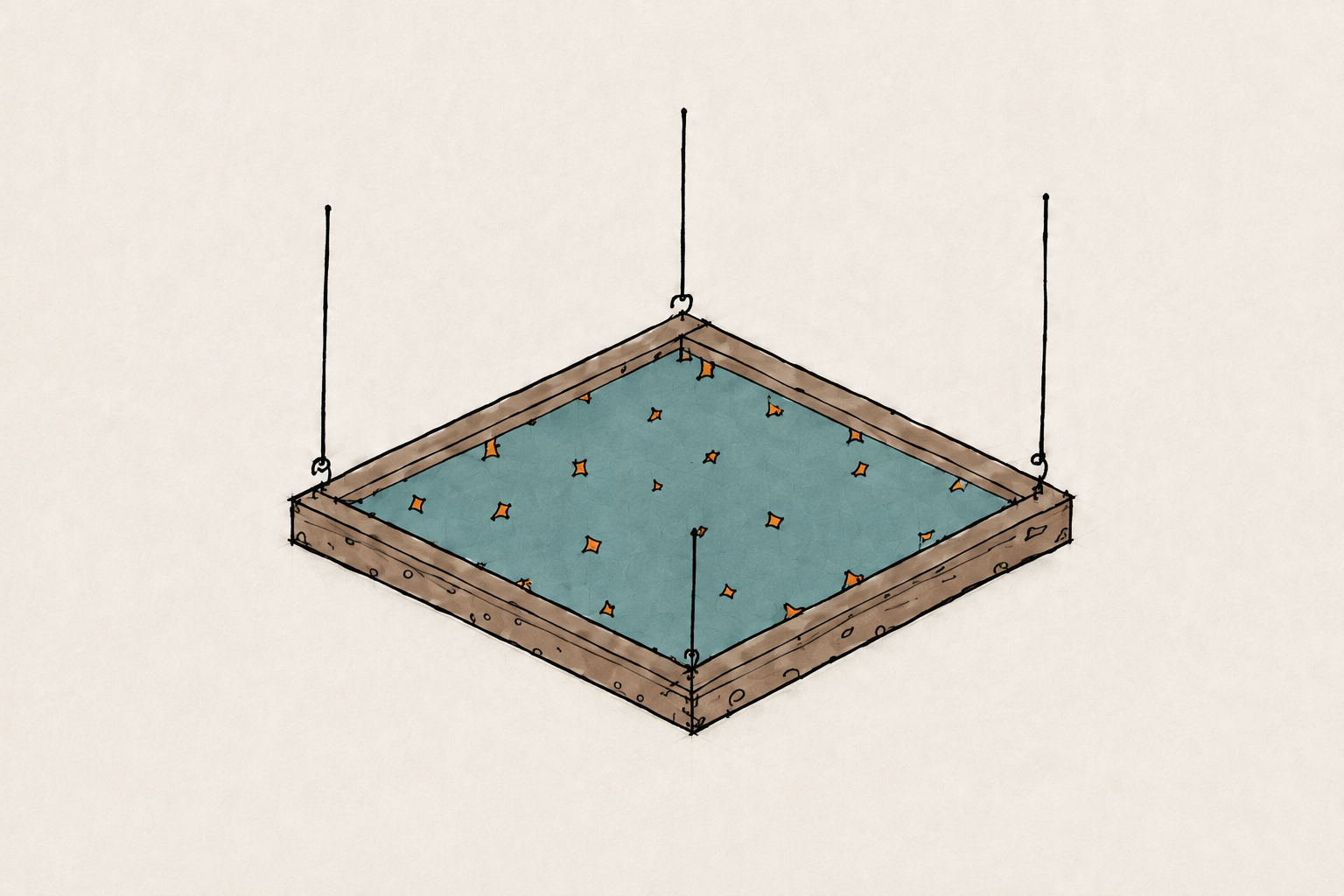
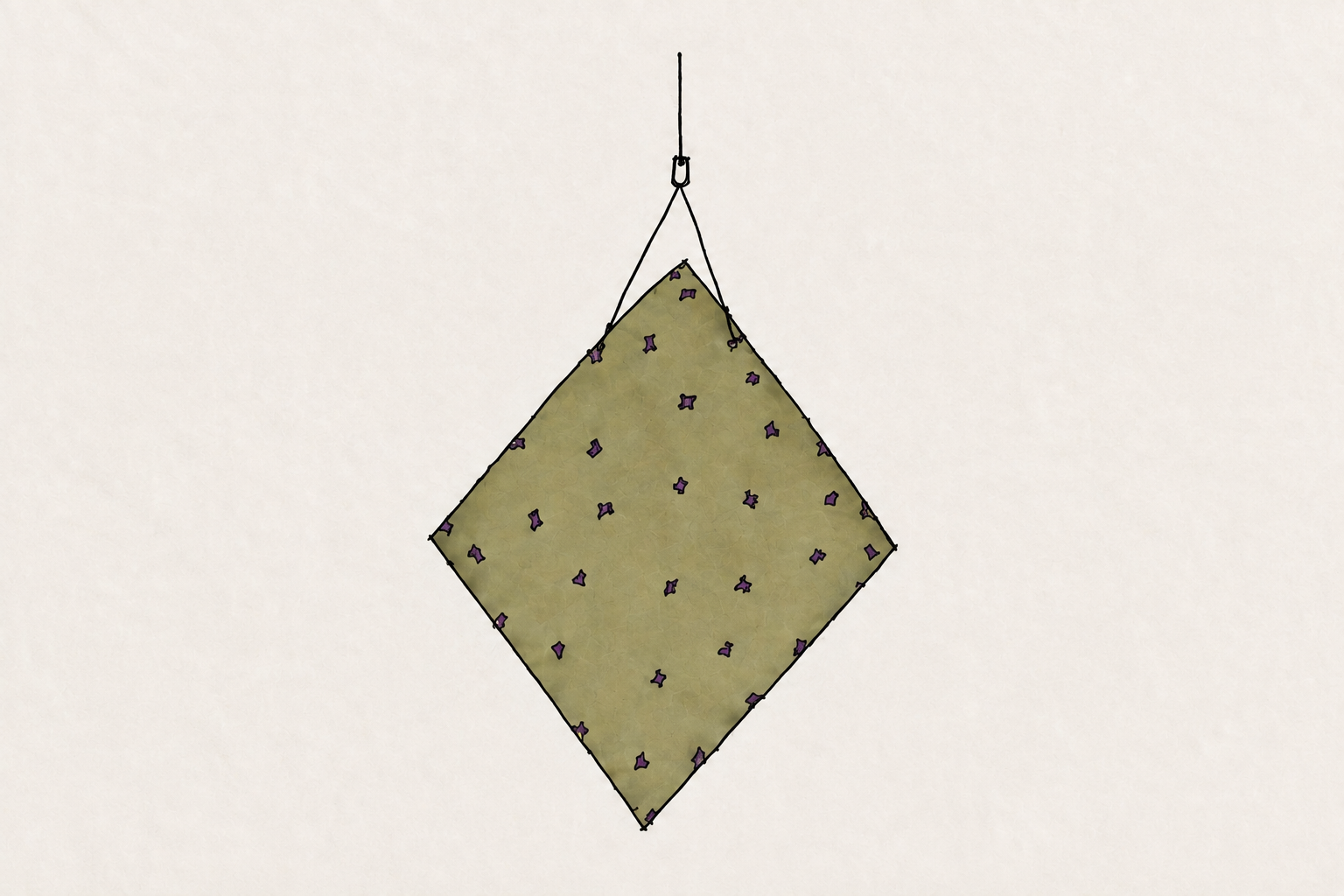
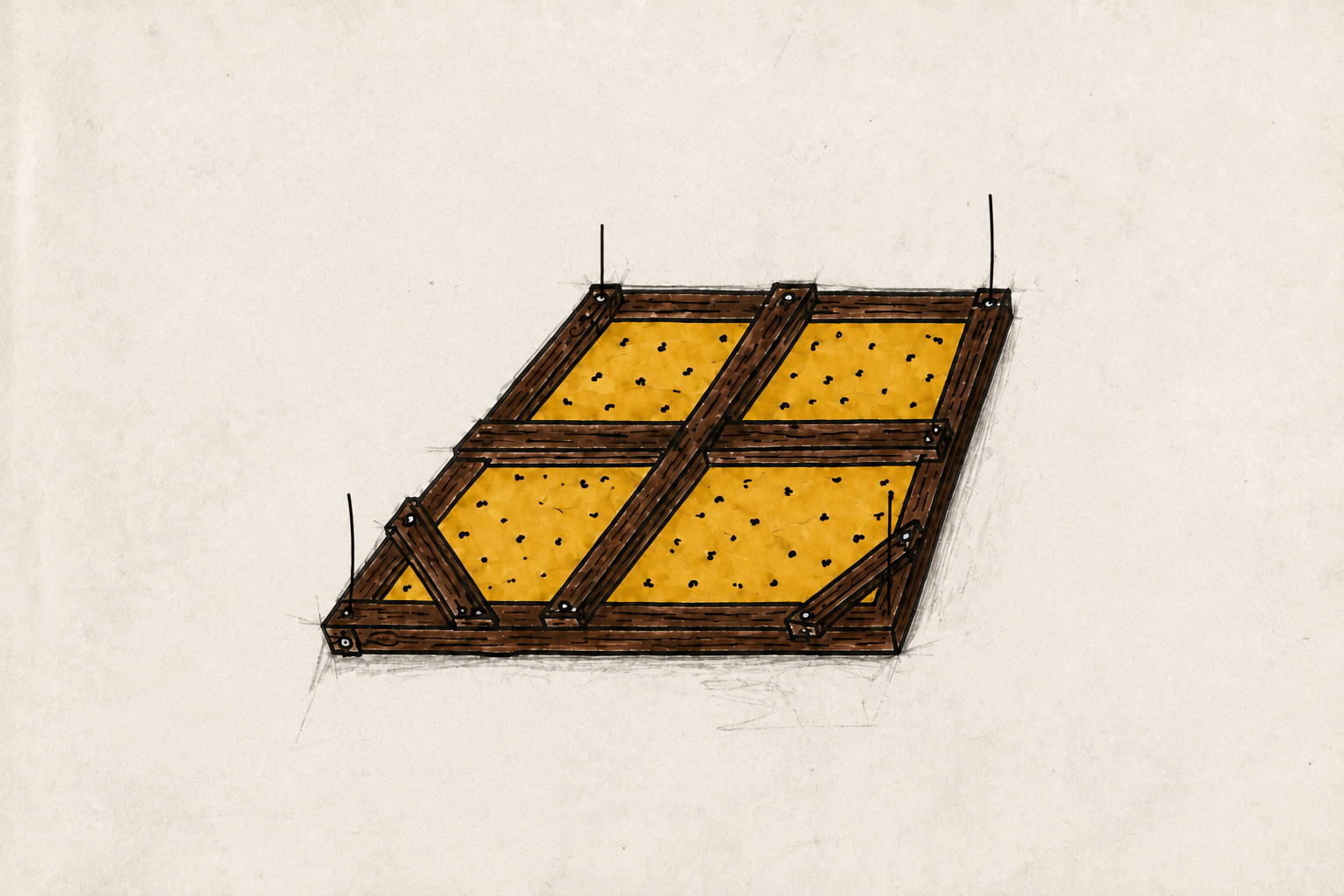
Supply Chain exists, It just ends at the wrong place.
33M+
branded uniform pieces produced every year in the UK alone
90%
of corporate workwear is thrown into general waste, landfill or incineration
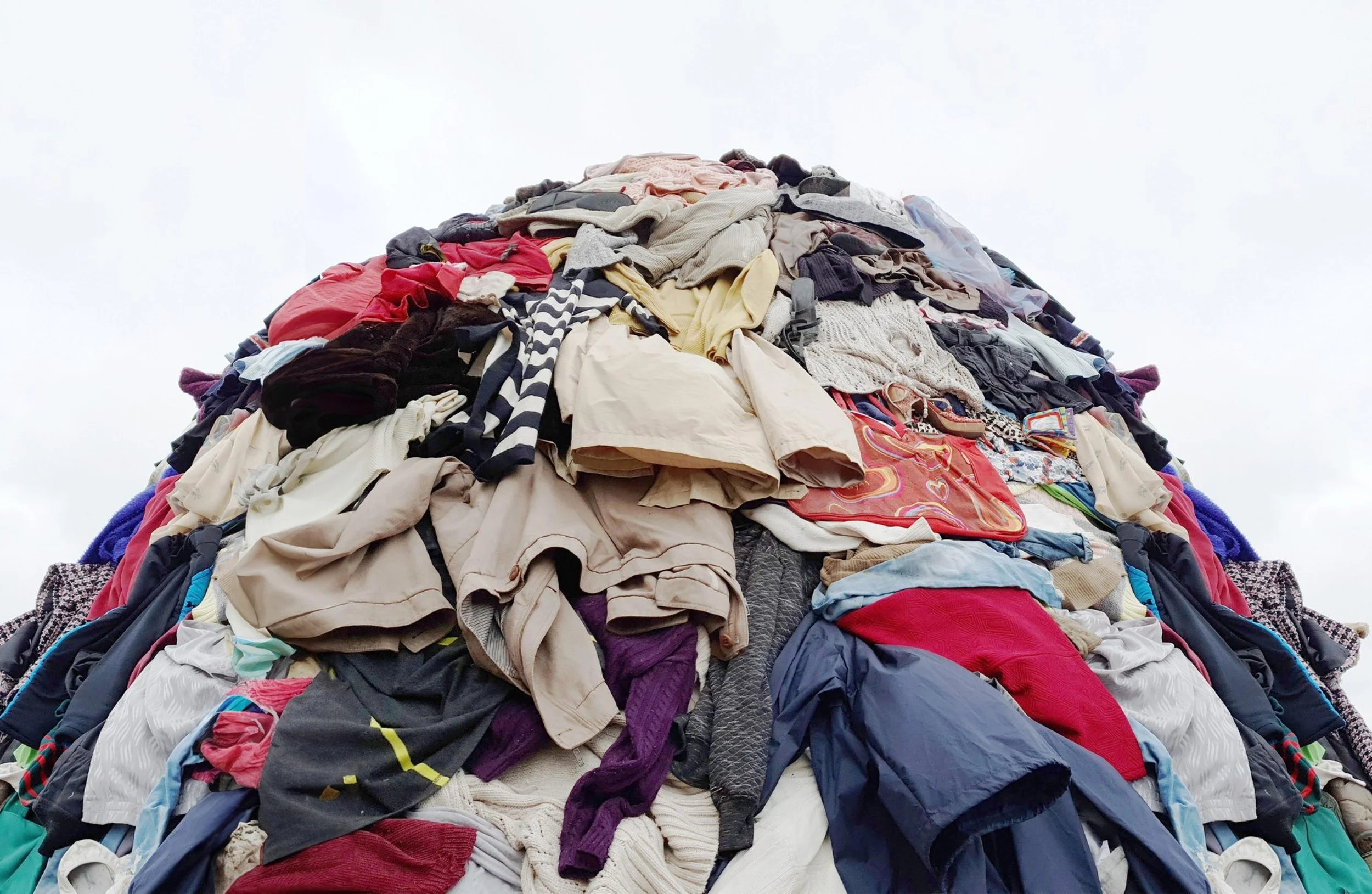
1%
of Europe's discarded textiles are recycled back into new products
Workwear is replaced on a schedule, not when it wears out, which means retirement is predictable, and the volume is enormous. Almost none of it comes back as anything.
The market
Acoustic panels are a large and steadily growing category, and the segment this product sits in, sustainable materials for commercial interiors, is the part of it growing fastest.
Global acoustic panel market
Forecast growth
5–7% CAGR through early 2030s
Commercial & workplace share
33.6% of the market (2025)
Driven by
$9.1B – $15.4B (2026 estimate)
Open-plan offices, co-working, hybrid work
Material honesty, not disguise
The finished panel doesn't hide what it's made from. Worn fibres from factories, hospitals, and depots are recomposed into something that reduces noise in a workplace, and quietly carries the working life that came before it.
The most interesting raw material is often the one we were about to throw away.